Discover Online Counselling
6 June – written by Katrin Kemmerzehl – Blog
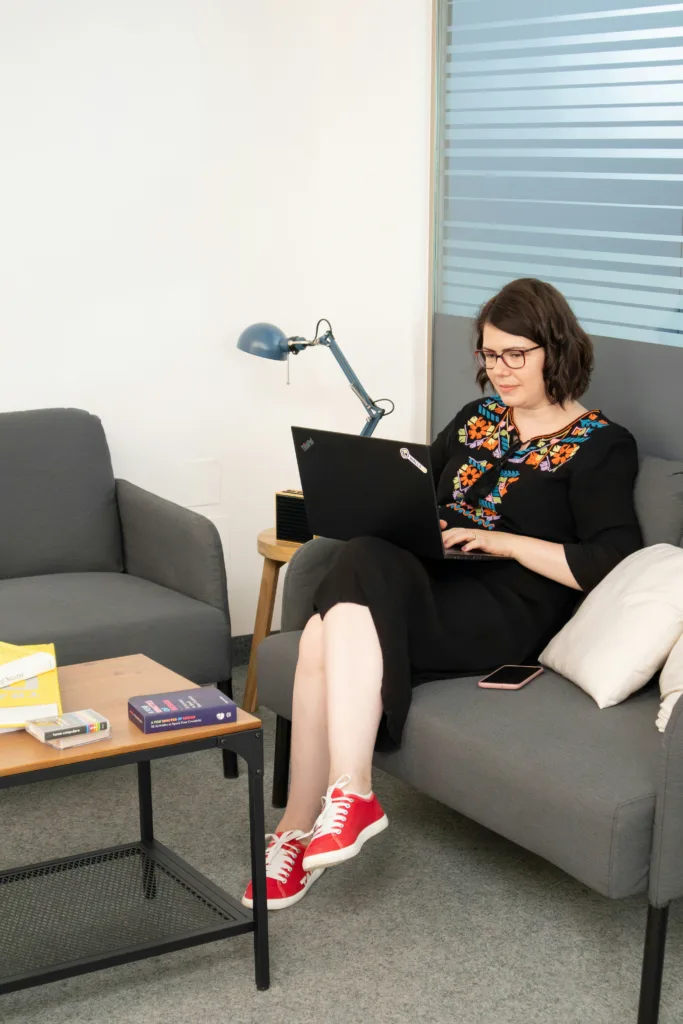
There are times in life when it helps to have somewhere to pause, reflect, and talk things through.
Online counselling makes it possible to access support from wherever you are. Whether you’re at home, between commitments, travelling for work, or simply feel more comfortable in familiar surroundings, therapy can fit more naturally into everyday life.
For many people, meeting online feels surprisingly comfortable. Without the time and effort involved in travelling to an appointment, it can be easier to take that first step and make space for support.
Why Online Counselling Works

Research suggests that online therapy can be as effective as face-to-face counselling for a range of difficulties, including anxiety, depression, stress, and emotional wellbeing (Carlbring et al., 2018). More recent research has also found that the quality of the therapeutic relationship can be just as strong online as it is in person (Seuling et al., 2024).
What matters most, however, is often the relationship between therapist and client. Feeling heard, understood, and able to explore what matters to you remains at the heart of therapy, whether you meet online or in person.
The Comfort of Familiar Surroundings

There can be something reassuring about speaking from a place that already feels your own.
Some people find it easier to settle into conversation from a favourite chair with a cup of tea nearby. Others appreciate not having to navigate traffic, public transport, parking, waiting rooms, or unfamiliar environments before discussing something personal.
Being in your own surroundings can also bring a different richness to therapy. A beloved pet wandering into view, a favourite book on a shelf, or simply the space where you spend most of your day can become part of the conversation. These small glimpses into everyday life often help build understanding and connection.
For some neurodivergent people, online counselling can feel particularly accessible. Attending sessions from a familiar environment may reduce some of the demands associated with travel, transitions, sensory sensitivities, or unfamiliar social settings.
Being able to adjust lighting, use sensory supports, move around more freely, or simply remain in a comfortable space can make it easier to focus on the conversation itself (Gilmore et al., 2023; MacLennan et al., 2022).
Connection Through the Screen

A common concern is whether therapy can feel as personal online. While there are differences between online and in-person sessions, many people are surprised by how quickly the technology fades into the background.
Meaningful conversations, moments of insight, humour, emotion, uncertainty, and reflection can all unfold through a screen.
Many people also report high levels of satisfaction with online therapy, valuing the flexibility, convenience, and comfort it can offer (Abuyadek et al., 2024).
Therapy is built through conversation, curiosity, trust, and the relationship that develops over time.
Therapy That Fits Around Your Life

Life doesn’t always pause for counselling. Work commitments, caring responsibilities, health conditions, travel, family life, or simply low energy can make it difficult to attend appointments in person.
Online counselling removes some of these practical barriers. Rather than spending time travelling to and from an appointment, you can focus that energy on yourself and the work you want to do in therapy.
For many people, this makes it easier to attend regularly and build counselling into everyday life in a sustainable way.
Making the Most of Online Counselling

A few simple things can help sessions feel more comfortable:
- Choose a private space where you feel able to speak freely.
- Use headphones if they help you feel more focused or comfortable.
- Allow yourself a little time before and after sessions rather than moving immediately to the next task.
- Keep a notebook nearby if you like to jot down thoughts or reflections.
There is no need to create the perfect environment. Therapy works best when you can show up as you are.
Final Thoughts

Counselling doesn’t have to take place in a therapist’s office to be meaningful.
Online therapy offers a flexible, effective, and accessible way to explore what’s on your mind, work through difficulties, and develop a deeper understanding of yourself. It can create space for reflection, change, and support while fitting more naturally into everyday life.
If you’d like to explore this, please feel free to get in touch.
References
- Abuyadek, R. M., Al-Bsheish, M., Hani, M. H., Al-Husban, N., Al-Dweik, G., & Al-Akour, N. (2024). Acceptability of tele-mental health services among users: A systematic review and meta-analysis. BMC Public Health, 24, 1456.
- Carlbring, P., Andersson, G., Cuijpers, P., Riper, H., & Hedman-Lagerlöf, E. (2018). Internet-based vs face-to-face cognitive behaviour therapy for psychiatric and somatic disorders: An updated systematic review and meta-analysis. Cognitive Behaviour Therapy, 47(1), 1–18.
- Gilmore, D., Harris, L., Hanks, C., Coury, D., Moffatt-Bruce, S., Garvin, J. H., & Hand, B. N. (2023). “Giving the patients less work”: A thematic analysis of telehealth use and recommendations to improve usability for autistic adults. Autism, 27(4), 1132–1141.
- MacLennan, K., O’Brien, S., & Tavassoli, T. (2022). In Our Own Words: The Complex Sensory Experiences of Autistic Adults. Journal of Autism and Developmental Disorders, 52(7), 3061–3075.
- Seuling, P. D., Fendel, J. C., Spille, L., Göritz, A. S., & Schmidt, S. (2024). Therapeutic alliance in videoconferencing psychotherapy compared to psychotherapy in person: A systematic review and meta-analysis. Clinical Psychology & Psychotherapy, 31(1), e2948.
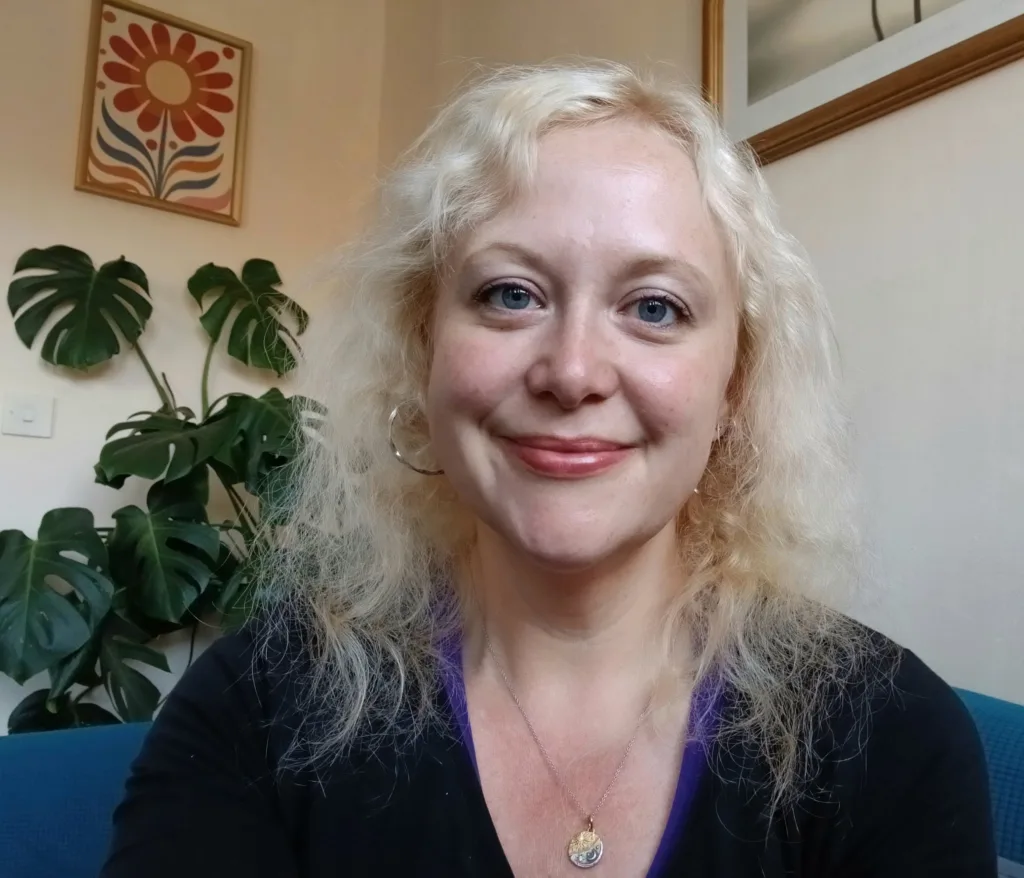
Katrin Kemmerzehl
I am a qualified psychotherapeutic counsellor in Newcastle upon Tyne.
Please get in touch if you’re interested in arranging a consultation.