Why being present can feel refreshing
15 January – written by Katrin Kemmerzehl – Blog

“I’ll take a break when things calm down.”
“When I find the right partner, I’ll be happy.”
“Once my child gets accepted, I’ll feel relieved.”
“When I lose weight, I’ll feel better.”
“Everything will be fine when I get a new job.”
Somehow, it feels like peace ought to come next week. Maybe after that promotion settles in. Or when the house feels more like home. Not today, though. Relief hides ahead, always promised yet never close enough to touch. For now, existence seems more like waiting than living.
Thinking like this feels natural. Yet it drains our energy. Without noticing, each day slips by while chasing tomorrow. Craving futures often dims present moments. Instead of arriving somewhere, attention drifts. Being nowhere feels familiar, leaving what is now behind (Phillips, 2012).
The problem with “I’ll be happy when…”

Do you have dreams? Sure. Plans too. Finding purpose and setting targets feels important to most of us. Yet a common experience stands out: after finally hitting a desired milestone, fulfilment rarely lasts, and another target takes its place.
Most people who come to therapy can relate to that. Someone might say things will be fine after buying their house or taking up sports again. If we take a pause, we sometimes notice that clarity shows up differently. The comfort we chase isn’t really tied to what comes next. What matters most slips out quietly: allowing ourselves peace right here.
Living with a mind that rarely rests

Right now might seem crowded, even overwhelming, especially for neurodivergent people. A steady pull toward what comes next shapes daily life for many autistic people and those with ADHD, focused on unspoken rules, bracing for confusion, worrying how others see them.
Old moments where they were misunderstood, or had to change themselves just to fit in, tune the body into readiness, keeping it on guard, without noticing. That shifts focus elsewhere, leaving little room to notice feelings or sensations happening right now (Milton, 2012).
Therapy that moves gently can be experienced as a kind of healing that doesn’t push awareness forward, just gently draws it back. Instead of correcting, sessions can turn into moments where what happens simply unfolds.
When we encounter real empathy and close listening, the habit of watching oneself may ease, making room to observe thoughts, feelings and sensations just as they show up. This isn’t about forcing peace or answers. It’s more like letting go of trying so hard, even for a breath.
Research suggests that being truly perceived right when it matters helps people balance emotion, manage inner states and build safety more steadily, building confidence, especially for individuals who’ve had to adjust repeatedly throughout life (Norcross & Wampold, 2019).
Right this moment – what does that really mean?

Moments pass fast, yet paying attention to now might seem oddly annoying. When worry weighs heavily, sadness lingers, and pressure never lets up, hearing “just stay in the moment” doesn’t land. It skips right past real struggle.
Focusing on the present during therapy does not mean ignoring thoughts or acting like all is well. Instead, it means paying attention to whatever shows up, such as feelings, thoughts, sensations, and interactions, as they unfold. What counts is simply noticing.
Therapist Irvin Yalom pointed out how focusing on the present moment can deeply influence healing. In his work, he observed people carry their habits, anxieties, and desires into real-time interactions, including sessions (Yalom, 2002).
Moments matter more than they appear

Instead of looking back or guessing ahead, we can focus on what shows up now: silence, tension, warmth. What emerges has meaning and can open space where words couldn’t go before.
In daily life, showing up and connecting with ourselves or people around us starts to matter more. How we listen or pause before reacting can feel more authentic without effort. Presence shows up in small gestures and words.
Why the present can feel uncomfortable

If right now matters that much, then what makes us look away? Uncertainty tends to live in the now. Sometimes, that pushes people toward constant motion and making plans to avoid anything that might resurface.
When pace drops, old emotions find room to rise again. Stillness makes space for doubt, sadness, disappointment, grief, questions of meaning or unease to show up more clearly.
Philosopher Søren Kierkegaard explored that discomfort often lives in simply being who we are, right now. Staying open like that takes nerve. To face yourself head-on – no promises, no safety net – that’s what the current moment demands.
What shows up today requires courage. Facing your own self with nothing certain to hold on to. Being here means standing bare before questions that have no map. Yet he saw truth there, hidden inside discomfort. To stay open, even while unsure, becomes its own kind of strength. Showing up as you are is where real effort begins.
The refreshment of small moments

Living more in the present can shift how things feel. Peace, according to Thich Nhat Hanh, a Vietnamese monk, shows up during daily acts like breathing, walking, or doing dishes (Thich Nhat Hanh, 1991).
Quiet moments often bring relief more than grand ones do:
- enjoying a warm drink
- feeling a small sense of connection with someone
- noticing your own strength
Right now, those moments might appear small. Yet each one carries weight. They signal that existence unfolds on its own. You’re part of it, whether noticed or not.
What is happening for me right now? What’s going on in my world? Could it be that one of my actions today is worth recognising? What if survival and still being here itself is a victory?
What stays with you is the strength found after getting through it. Living life more fully is also about noticing when we try and keep going.
Lifting yourself up along the way

Most of us never think about being proud along the way. Instead of loving and accepting ourselves, we wait for a better, final version of ourselves. Gratitude? That’s saved for later. Instead of seeing today as living, it feels like standing around, just passing time.
Naturally, we want to feel noticed and appreciated. Approval from others draws our attention, but turning inward and offering recognition to ourselves also brings a grounding balance (Kohut, 1977). Appreciating your own efforts keeps you visible. It pulls you back into your own story instead of fading out
The here and now in counselling

Focusing on the present moment during sessions often creates a subtle sense of stability. One could say it shows up this way: “How does it feel to talk about this with me?” “I noticed you went quiet just then. What happened?” “What is it like to say that out loud?”
Being able to notice emotions and thoughts without reacting right away can be powerful. We begin recognising how past experiences shape our current interactions, almost like catching echoes before they grow loud.
Sometimes unexpectedly, moments of self-awareness and real connection arrive, not through effort, but simply by pausing enough to sense what was already there.
From wherever you stand now

Right now isn’t about forgetting the past or skipping ahead. It lets us see old patterns still moving through us, breathing through our posture, thinking, conversations and connections. Meanwhile, each moment builds what comes next.
Starting fresh is possible here. Just show up. No perfect phrases required.
Most times, it covers everything needed.
If you’d like to explore this, please feel free to get in touch.
References
- Kohut, H. (1977). The Restoration of the Self. New York: International Universities Press.
- Milton, D. (2012). On the ontological status of autism: The ‘double empathy problem’. Disability & Society, 27(6), 883–887.
- Phillips, A. (2012). Missing Out: In Praise of the Unlived Life. London: Hamish Hamilton.
- Thich Nhat Hanh (1991). Peace Is Every Step: The Path of Mindfulness in Everyday Life. London: Rider.
- Yalom, I. D. (2002).The Gift of Therapy. London: Piatkus
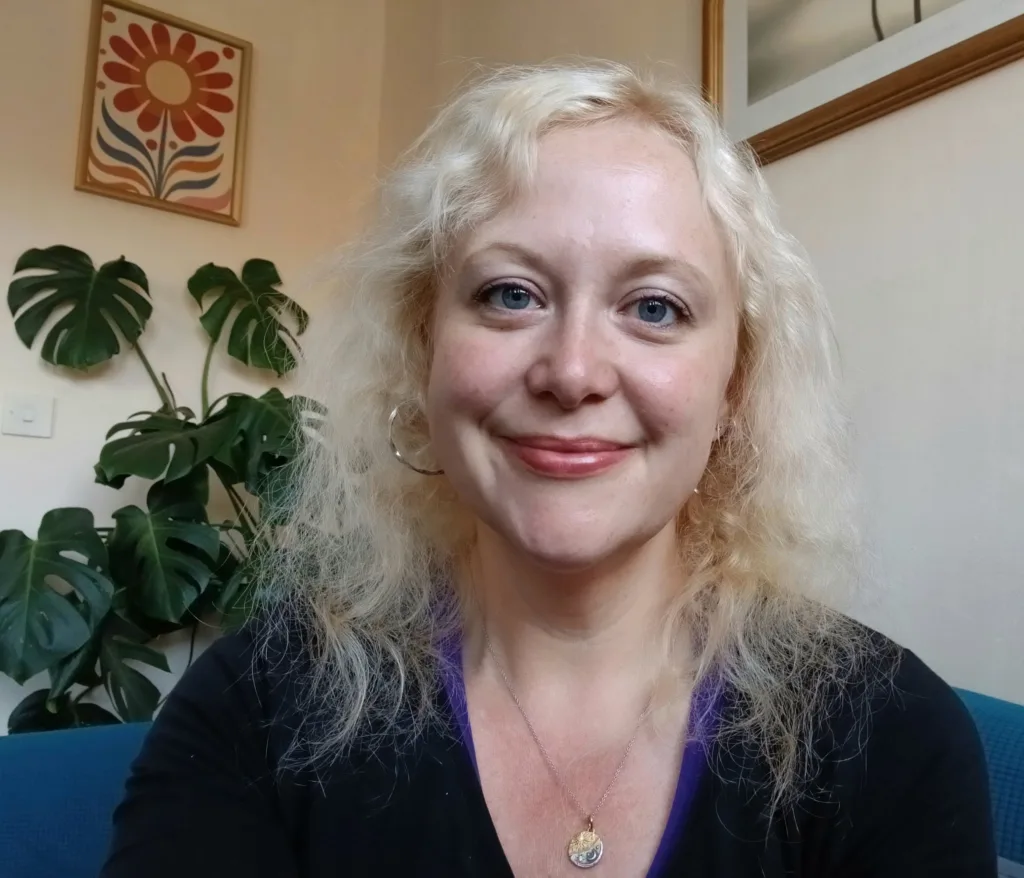
Katrin Kemmerzehl
I’m a qualified counsellor based in Newcastle upon Tyne.
Please get in touch if you’d like to arrange a consultation.