Understanding yourself with greater compassion and acceptance
04 June – written by Katrin Kemmerzehl – Blog

If you’re neurodivergent, or wondering whether you might be, you may have spent a long time trying to make sense of your experiences. Perhaps life has often felt more demanding than it seems to for other people, or you’ve found yourself adapting in ways that have become so familiar you hardly notice them anymore.
Over time, you may begin to wonder whether there is another way of understanding yourself, one that feels kinder, more compassionate, and more in tune with your own experience.
Therapy offers a space to explore these questions at your own pace. Together, we can become curious about what life has been like for you, what supports your wellbeing, and what helps you feel more connected to yourself and the people around you.
As that understanding begins to shape everyday life, many people find it easier to recognise their needs, trust their own experiences, and make choices that feel meaningful and sustainable.
Whether you’re newly exploring neurodiversity, have received a recent diagnosis, or have understood yourself in this way for many years, therapy offers a space to reflect, grow, and explore whatever feels most important to you (Singer, 2017; Armstrong, 2010).
Understanding Neurodiversity

Neurodiversity recognises that people naturally experience, process, and engage with the world in different ways. This includes autism, ADHD, AuDHD, dyslexia, dyspraxia, and other forms of neurodivergence (National Autistic Society, 2023).
Being neurodivergent shapes how a person thinks, communicates, experiences emotions, relates to others, and responds to the world around them. These differences can bring unique strengths, perspectives, and ways of understanding life, while also creating challenges, particularly in environments that are not designed with different ways of thinking and being in mind.
For many people, the greatest difficulties arise not from being neurodivergent itself, but from the ongoing effort of adapting to expectations that don’t always fit.
Therapy offers a space to explore your experiences with curiosity and compassion, understand what supports you, and find ways of living that feel more sustainable, meaningful, and true to you (Armstrong, 2010).
What Brings People to Counselling

People come to counselling for many different reasons. Some arrive after a diagnosis or a period of self-discovery. Others simply have a sense that life feels harder than it seems to for other people, even if they can’t quite explain why.
You might recognise yourself in some of these experiences:
- Feeling exhausted or burnt out
- Masking or feeling disconnected from yourself
- Feeling overwhelmed, anxious, or shutting down under pressure
- Feeling misunderstood in relationships
- Finding it difficult to set boundaries or put your own needs first
- Exploring identity, diagnosis, or self-understanding
- Living with low self-esteem after years of feeling different
- Navigating change, stress, or uncertainty
Sometimes people come to therapy feeling deeply tired without knowing what has led them there. Others have spent years believing they should be coping better.
Counselling offers a space to make sense of your experiences with curiosity and compassion, helping you understand yourself more fully and discover what supports you in everyday life.
When Fitting In Becomes Exhausting

Many neurodivergent people have spent years adapting to the people and environments around them. They may find themselves constantly monitoring how they come across, carefully choosing their words, pushing through exhaustion, or trying to hide the parts of themselves that have felt misunderstood or unwelcome.
Over time, these ways of coping can become so familiar that they simply feel like everyday life (Hull et al., 2017).
Living like this can be exhausting. People often describe feeling drained, overwhelmed, or increasingly disconnected from themselves, even when they appear to be coping well on the outside (Raymaker et al., 2020).
Therapy can offer a different kind of space. There is no expectation to perform or to have everything figured out. Instead, we can slow things down together, explore what your experience has been like, and become curious about what helps you feel safe, understood, and more like yourself.
As this understanding becomes part of everyday life, many people find it easier to recognise their needs, set boundaries, and make choices that feel more sustainable and meaningful.
A Space to Explore
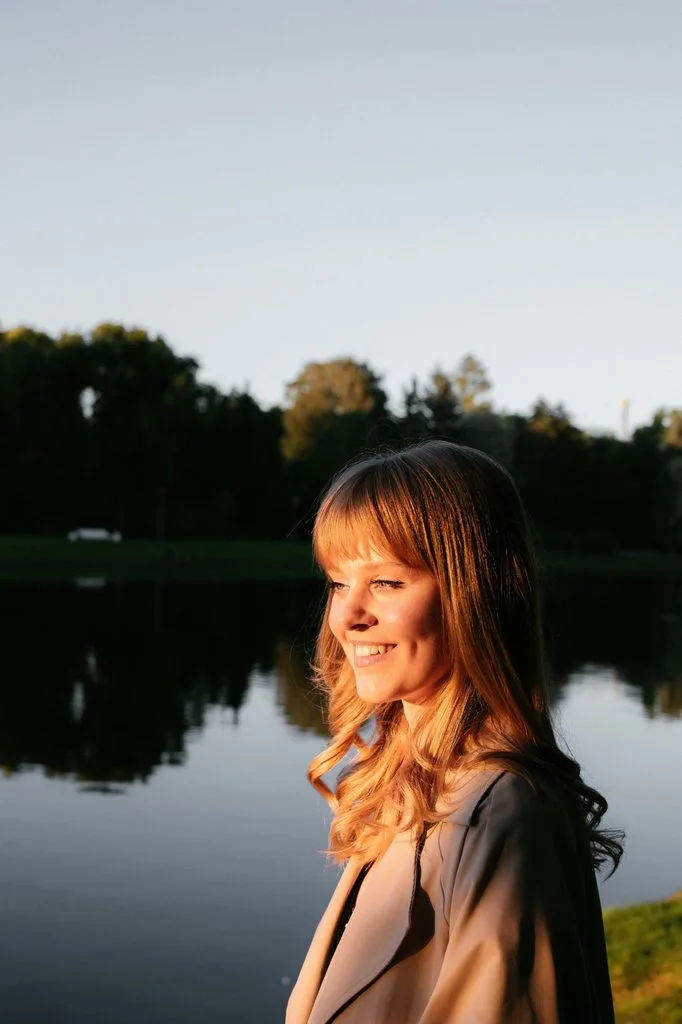
Counselling offers a space to slow down, reflect, and become more curious about your own experience. Together, we can explore what helps you feel comfortable, what drains your energy, what matters to you, and what supports you in living well.
For some people, this means understanding sensory experiences, recognising patterns of burnout, exploring identity, or noticing what helps them feel more connected to themselves and others. Over time, many people find it easier to recognise what they need, trust themselves, and make choices that feel right for them.
Therapy is about much more than neurodiversity. It is also a place to explore relationships, anxiety, grief, work, family, life transitions, self-esteem, or the questions about identity, meaning, and belonging that can arise throughout life. Whatever brings you here, we can make space for what feels most important to you.
Our work together can also be flexible. Some people think aloud, while others prefer time to reflect. Some find writing, imagery, or movement helpful. Together, we can find an approach that feels comfortable, supportive, and responsive to your needs (Babb et al., 2021).
Reconnecting with Yourself

Many neurodivergent people spend years adapting to what is expected of them, often without realising how much energy that takes.
Counselling can offer an opportunity to step back from those expectations and become more curious about your own experience.
Questions such as What helps me feel comfortable? What drains me? What matters to me? What kind of life feels right for me? can create space for a different way of relating to yourself.
Learning to listen to your needs makes it easier to trust your own experiences and respond to yourself with greater kindness. There can be less pressure to keep trying to be the person you think you should be, and more space to live in ways that feel authentic, and true to who you are.
Understanding yourself with Kindness and Compassion

Counselling can offer a space to meet your experiences with greater kindness and compassion, and to become more curious about your needs, strengths, and ways of being in the world.
As self-compassion and trust begin to grow, many people find themselves feeling more grounded, more confident in who they are, and better able to navigate life in ways that feel right for them.
Therapy can also be a place to reflect on identity, relationships, change, belonging, and the questions that often accompany different stages of life. Together, we can make space for whatever feels important to you, explore what helps you feel more like yourself, and consider what a meaningful and fulfilling life might look like on your own terms.
If you’d like to explore this, please feel free to get in touch.
References:
- Anderson, L. K. (2023). Autistic experiences of applied behavior analysis. Autism, 27(3), 737–750.
- Armstrong, T. (2010). The power of neurodiversity: Unleashing the advantages of your differently wired brain. Da Capo Lifelong Books.
- Babb, C., Brede, J., Jones, C. R., Elliott, M., Zanker, C., Tchanturia, K., & Fox, J. R. (2021). ‘It’s not that they don’t want to access the support… it’s the impact of the autism’: The experience of eating disorder services from the perspective of autistic women, parents and healthcare professionals. Autism, 25(5), 1409–1421.
- Hull, L., Petrides, K. V., Allison, C., et al. (2017). “Putting on my best normal”: Social camouflaging in adults with autism. Journal of Autism and Developmental Disorders, 47(8), 2519–2534.
- National Autistic Society. (2023). Understanding autism.
- Singer, J. (2017). Neurodiversity: The birth of an idea. Redditch: John Wiley & Sons.
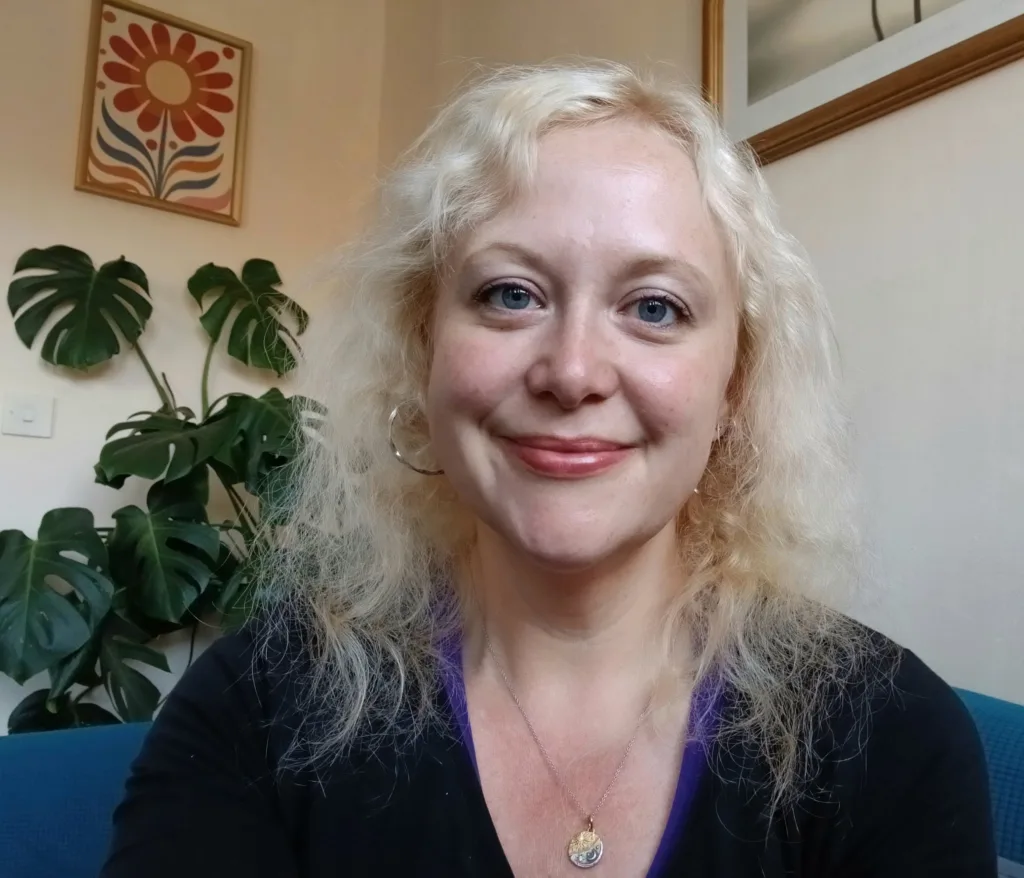
Katrin Kemmerzehl
I’m a qualified counsellor based in Newcastle upon Tyne.
Please get in touch if you’d like to arrange a consultation.