A Neurodiversity-Affirming Approach to Couples Counselling
3 March – written by Katrin Kemmerzehl – Blog

Closeness in relationships is often imagined as sameness. Being on the same page. Wanting the same things. Reacting in similar ways.
It’s an understandable picture. When we love someone, we want to feel aligned and secure with them. So when couples begin to struggle, it can seem as though the task is to close a gap by communicating better, regulating emotions more effectively, or finally explaining things in just the right way so that understanding clicks into place.
In reality, many couples come to counselling not because they don’t care, but because they care deeply and something that once worked between them no longer does. The patterns that helped at one stage of the relationship may now feel strained or misunderstood.
You might recognise yourselves in experiences such as:
- finding yourselves in the same arguments again and again
- feeling emotionally distant, even when you’re spending time together
- having different needs for closeness, space, or reassurance
- feeling hurt or criticised when you’re trying to explain yourself
- navigating pressures such as work stress, family difficulties, parenting, diagnosis, burnout, or other life changes
Over time, these experiences can leave partners feeling stuck or unsure how to reach each other in the way they once could.
A different way of thinking about closeness begins not with trying to eliminate differences, but with learning how to understand them and make room for them, so that connection can grow again in a way that feels more real and sustainable for both of you.
Communication as translation, not correction

In many relationships, partners are not failing to communicate. They are often communicating in different ways.
What feels like withdrawal to one person may actually be a need for quiet processing. What sounds like criticism may be an attempt to stay connected or to make things feel safer.
When we’re hurt or frustrated, it’s easy to assume the worst about each other’s intentions. Yet much of the tension in couples arises not from a lack of love, but from misunderstanding.
This can be especially noticeable in relationships where neurodiversity is part of the picture. Different sensory needs, processing speeds, or communication styles can shape how each person expresses care, stress, or overwhelm (Price, 2022) .
But this is not limited to neurodivergent couples. Every relationship brings together two nervous systems, two histories, and two ways of making sense of the world.In counselling, the focus shifts from asking “Who is right?” to asking “What is happening here for each of you?”
The gift of Couples Therapy

Couples therapy can be a space for translation. By slowing things down and approaching each other with curiosity, couples can begin to understand what closeness feels like for each person, how conflict is experienced, and what helps repair hurt.
It’s not about saying the “right” thing, but about discovering how you and your partner make sense of the world and learning to accept differences while staying connected. Therapy also offers something many relationships rarely get in everyday life: uninterrupted time together and focused attention.
With a therapist’s support, conversations that might usually escalate or shut down can take place more gently.
Each partner gets a chance to speak and really be heard, without interruptions or the pressure to defend themselves. In this kind of space, patterns become easier to see, misunderstandings start to soften, and couples often discover they’re not as alone in their experience as they thought.
As therapist Orna Guralnik (2024) suggests, meaningful change in couples work tends to emerge not from quick techniques, but from helping partners stay close to emotional experience long enough for it to be understood.
When vulnerability is supported rather than avoided, relationships often become more resilient, more flexible, and more compassionate over time.
When neurodiversiry pkays a part – Different Rhythms, Shared Relationship

In couples where one partner is autistic and the other ADHD, or where both partners are neurodivergent, tension often arises not from lack of care, but from mismatched needs and rhythms.
One partner may need predictability, advance notice, and time alone to regulate, while the other may seek spontaneity, shared activity, or frequent emotional check-ins.
One may experience sensory overload quickly, while the other may struggle with restlessness or under-stimulation.
These differences can easily become personalised. A need for space can be felt as rejection. A need for contact can be experienced as pressure. Over time, partners may begin to doubt themselves or each other, rather than the fit between their needs.
A neurodiversity-aware approach helps couples slow this process down. Instead of framing these differences as incompatibilities, therapy supports couples in understanding them as different ways of organising experience.
When partners can recognise that both sets of needs are real and valid, it becomes easier to move away from blame and towards practical, compassionate negotiation.
Why a neurodiversity-affirming approach matters

A neurodiversity-affirming approach to couples counselling can be especially helpful because it shifts the focus away from pathologising difference and towards understanding how different nervous systems relate to each other.
Rather than treating autistic or ADHD traits as problems to be managed or softened for the sake of the relationship, therapy recognises these traits as meaningful ways of experiencing and engaging with the world.
Research suggests that neurodivergent wellbeing is supported when environments are flexible and responsive, instead of placing the whole responsibility for change alone on the individual (Ross, Dommett & Byrom, 2026).
In couples work, this often reduces shame, lowers defensiveness, and creates space for more honest conversations about needs, limits, and connection. In many ways, a relationship becomes part of the environment in which wellbeing either struggles or grows.
The double empathy problem in couples

Misunderstanding in relationships is often assumed to be a lack of empathy. But research on neurodiversity suggests something more mutual.
The concept of the double empathy problem highlights that when people with different ways of experiencing the world interact, misunderstanding tends to run both ways (Milton, 2012).
In couples, this can mean that both partners feel unseen at the same time. One may feel too intense, the other too distant. One may feel controlled, the other abandoned.
Therapy can help shift the focus away from who is failing at empathy, and towards how two valid experiences are colliding.
When empathy is understood as a shared challenge rather than a personal flaw, couples often feel less stuck and more able to stay curious about each other.
Growing Closer Without Becoming the Same

Many couples come to therapy hoping for more clarity, more fairness, or a better sense of balance. These longings make sense. When things feel stuck or tense, it’s natural to want them to feel smoother.
But closeness doesn’t always grow from being alike or responding in the same way. Often, it deepens when partners begin to understand and respect their differences.
In close relationships, one person may need reassurance while the other needs space. One may want to talk straight away, while the other needs time to think.
These patterns can easily start to feel like problems. Yet they are often simply the meeting of two different nervous systems, two histories, two ways of coping and connecting.
Relational thinkers such as Dr. Virginia Goldner have written about how couples therapy involves paying attention not only to what happens between partners, but to how each person experiences the relationship from their own position (Goldner, 2014). When both perspectives are given room, something important shifts.
Therapy can help you slow things down enough to notice whose voice feels louder, whose feels quieter, and how each of you longs to be met. The aim is not to erase tension or make you the same. It is to build the capacity to stay connected while being fully yourselves.
Meeting each other as you are
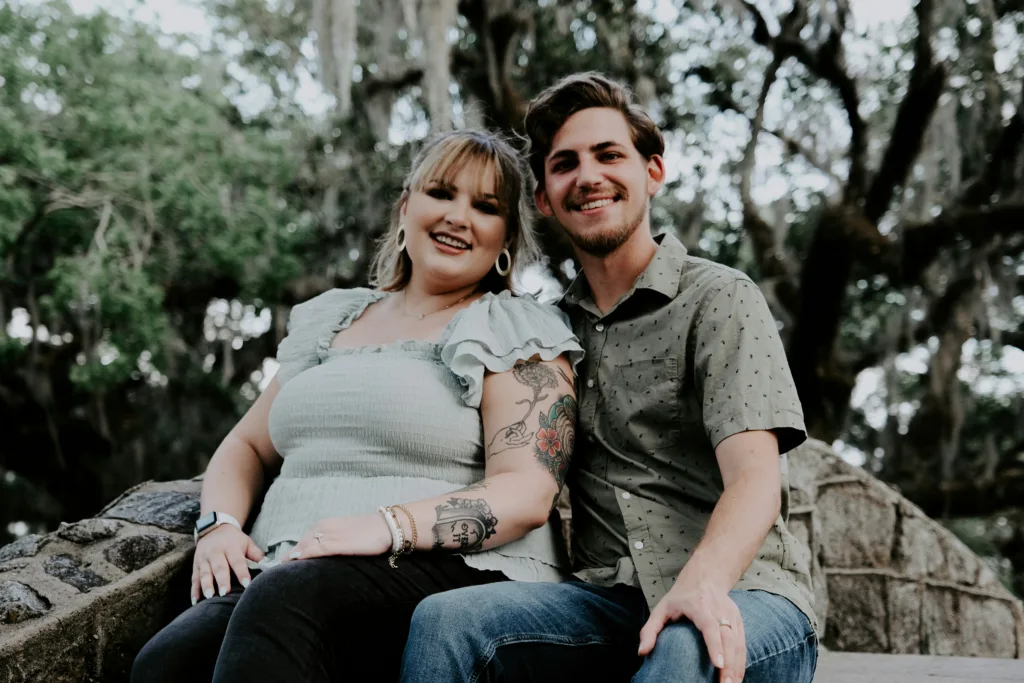
Part of what keeps couples stuck is the pressure to be a certain kind of couple. Calm. Reasonable. Emotionally fluent.
Lori Gottlieb writes with warmth and honesty about how real relationships are often messy, contradictory, and imperfect.
Wanting closeness while also wanting space, or security alongside freedom, is not a failure. It is part of being human (Gottlieb, 2019).
In couples counselling, this perspective can be deeply relieving. It allows partners to soften their expectations of themselves and each other, and to work with who they actually are, rather than who they think they should be.
Desire, distance, and the space between partners

Closeness is not only about emotional safety. It is also shaped by desire, autonomy, and the space between partners. Esther Perel has written extensively about how intimacy requires both connection and separateness, and how desire can struggle when difference is flattened or overly managed (Perel, 2006).
For some couples, especially those navigating neurodiversity, this balance can feel delicate. Yet allowing each partner to remain distinct often supports a more alive and sustainable form of closeness than constant adjustment or self-erasure.
Letting go of assumptions

Many couples carry unspoken ideas about how relationships should work. How quickly conflict should be resolved. What intimacy should look like. How emotions ought to be expressed.
These ideas are often absorbed from culture, family, or previous relationships, and they can quietly shape how partners judge themselves and each other.
Letting go of those assumptions can be important, especially for neurodivergent or LGBTQ couples, where comparisons with other relationship ideals often create unnecessary pressure (Price, 2022).
Therapy can offer a space to gently question these assumptions and to ask a different set of questions. What actually works for us? What helps each of us feel safe enough to stay connected?
Finding your way back to each other

Couples counselling isn’t about fixing one partner or finding the perfect compromise.
It’s about creating a space where both people can feel seen, met, and understood, with their own histories, identities, and ways of being in the relationship.
From there, it becomes possible to understand one another more deeply and to build the kind of relationship that feels right for both of you. If this resonates with you, you’re very welcome to get in touch get in touch.
References
- Goldner, V. (2014). Romantic Bonds, Binds, and Ruptures: Couples on the Brink. Psychoanalytic Dialogues, 24(4), 402–418.
- Guralnik, O. (2024). Dr. Orna Guralnik on the value of slow, complex work in couples therapy. Yahoo News UK.
- Perel, E. (2006). Mating in Captivity. HarperCollins.
- Ross, F., Dommett, E. J., & Byrom, N. (2026). A systematic review of higher education-based interventions to support the mental health and wellbeing of neurodivergent students. npj Mental Health Research, 5.
- Gottlieb, L. (2019). Maybe You Should Talk to Someone. Houghton Mifflin Harcourt.
- Milton, D. (2012). On the ontological status of autism. Disability & Society, 27(6), 883–887.
- Price, D. (2022). Unmasking Autism. Harmony.
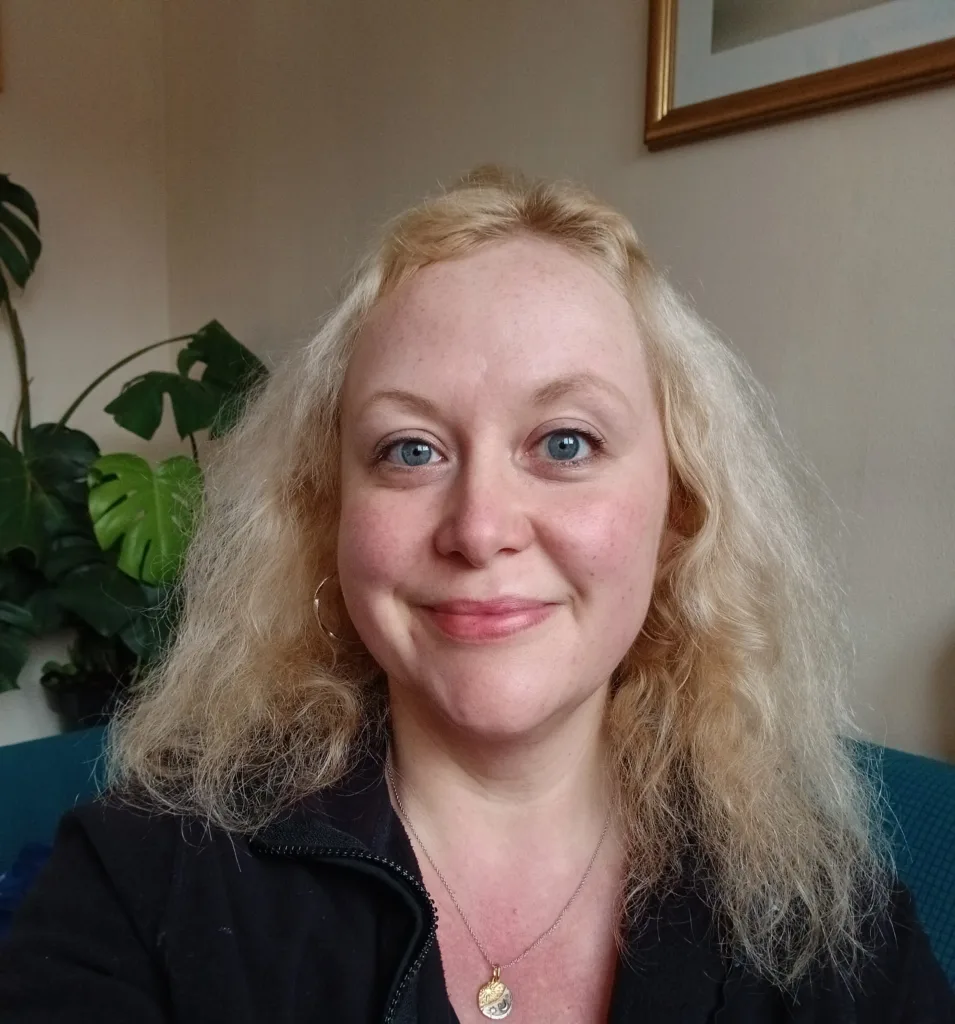
Katrin Kemmerzehl
I am a qualified psychotherapeutic counsellor in Newcastle upon Tyne.
Please get in touch if you’re interested in arranging a consultation.