The Benefits of Walk-and-Talk Therapy
23 June – written by Katrin Kemmerzehl – Blog

There’s a growing approach to therapy that’s as simple as it is powerful: Walk-and-Talk Therapy. As the name suggests, these counselling sessions take place outdoors while walking side by side.
I currently offer Walk-and-Talk Therapy in the peaceful surroundings of Leazes Park in Newcastle, where many people find it easier to slow down, reflect, and talk.
This approach combines therapeutic conversation, gentle movement, and the restorative benefits of spending time in nature, all of which can support emotional wellbeing (Hays, 1999; Pretty & Barton, 2010).
For some people, stepping outside can make counselling feel more natural, relaxed, and easier to engage with.
Walking as a symbol for moving forward

Walking is more than exercise. It can also become a gentle metaphor for therapy itself. Taking one step after another reflects the way change often happens: gradually, with patience, and at a pace that feels manageable.
For clients who feel stuck, overwhelmed, or emotionally weighed down, physical movement can sometimes help create emotional movement too. Movement can create a subtle sense of openness and fresh perspective when life feels difficult to untangle.
There is growing recognition that mind and body are deeply connected, and that movement can positively influence emotional wellbeing (Mahindru et al., 2023).
Carl Jung once said, “The mind reflects the body. The body reflects the mind.” In other words, our physical and emotional experiences are closely connected.
Combining meaningful conversation with fresh air, movement, and time outdoors can create a powerful therapeutic experience.
Why Choose Walk and Talk Therapy?
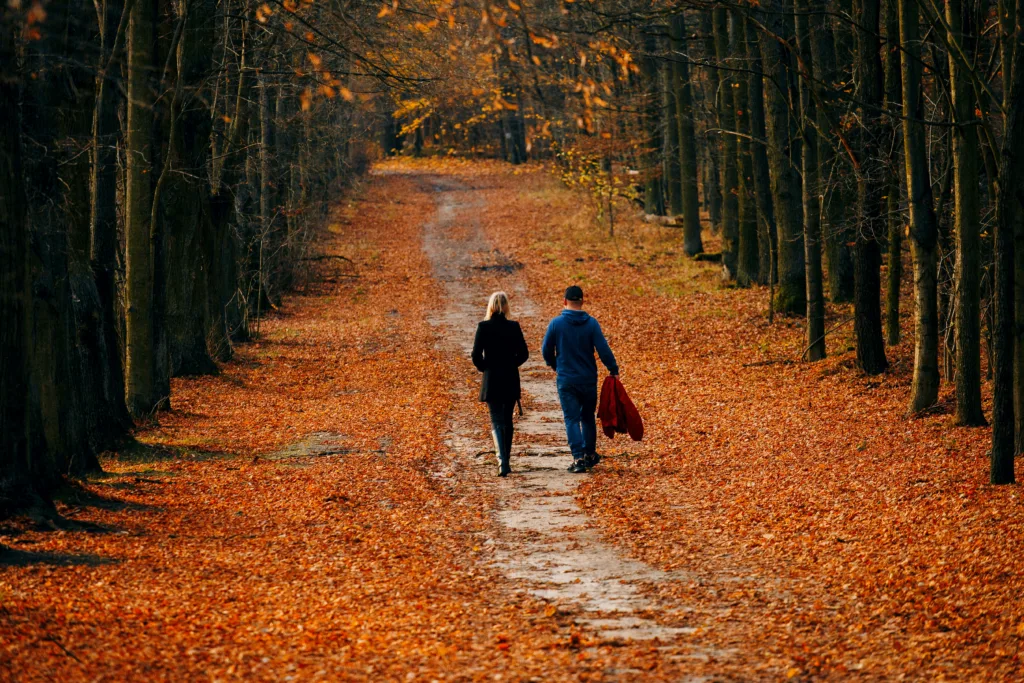
Walk-and-Talk Therapy can be a refreshing alternative to traditional seated counselling, or a helpful complement to it.
Many clients find that walking side by side makes conversation feel less formal and less intense. Without the pressure of sitting face to face, thoughts can sometimes flow more freely, and difficult feelings may feel easier to express (Doucette, 2004).
For some, the gentle rhythm of walking creates space to reflect, process emotions, and gain clarity.
Being Side by Side
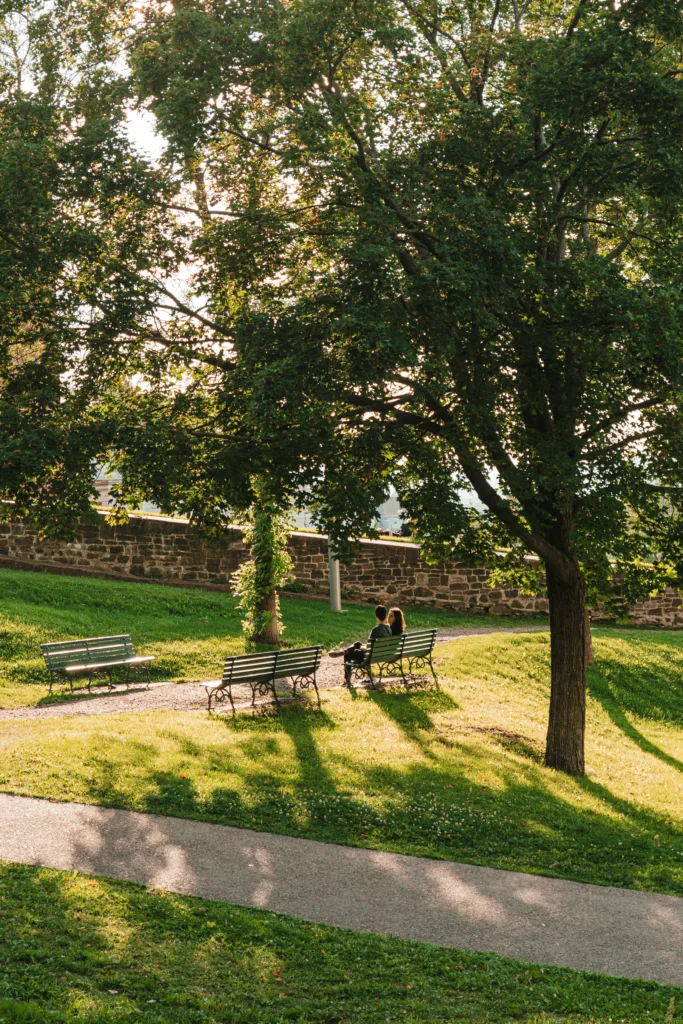
Walk-and-Talk Therapy can feel like a more natural way of engaging in counselling. Whether we’re walking at a gentle pace, sitting on a bench, or moving between the two, being outdoors and sharing space side by side can help conversations unfold comfortably.
Research indicates that outdoor therapy can be especially beneficial for men, who might be less inclined to seek counseling or find it challenging to stay engaged long-term (Dickmeyer, 2025).
Additionally, Walk-and-Talk Therapy is a good option for anyone who finds movement, fresh air, and a more relaxed setting comforting and easier to get comfortable in.
For some people, including some neurodivergent clients, walking can make it easier to think, reflect, and express themselves.
Others find that being outdoors softens the intensity of face-to-face sessions, allowing them to feel more at ease and more themselves.
Why Walking Helps the Body and Mind
The mental health benefits of movement are well established. Regular exercise has been shown to improve mood, reduce stress, ease symptoms of anxiety and depression, and support better sleep, all important foundations for emotional wellbeing (NHS; Mahindru et al., 2023).
Research also suggests that spending time in green spaces can improve self-esteem and promote more positive feelings, even after relatively short periods outdoors (Pretty & Barton, 2010).
When movement is combined with counselling, many people find they feel lighter, clearer, and more emotionally open.
What to Expect
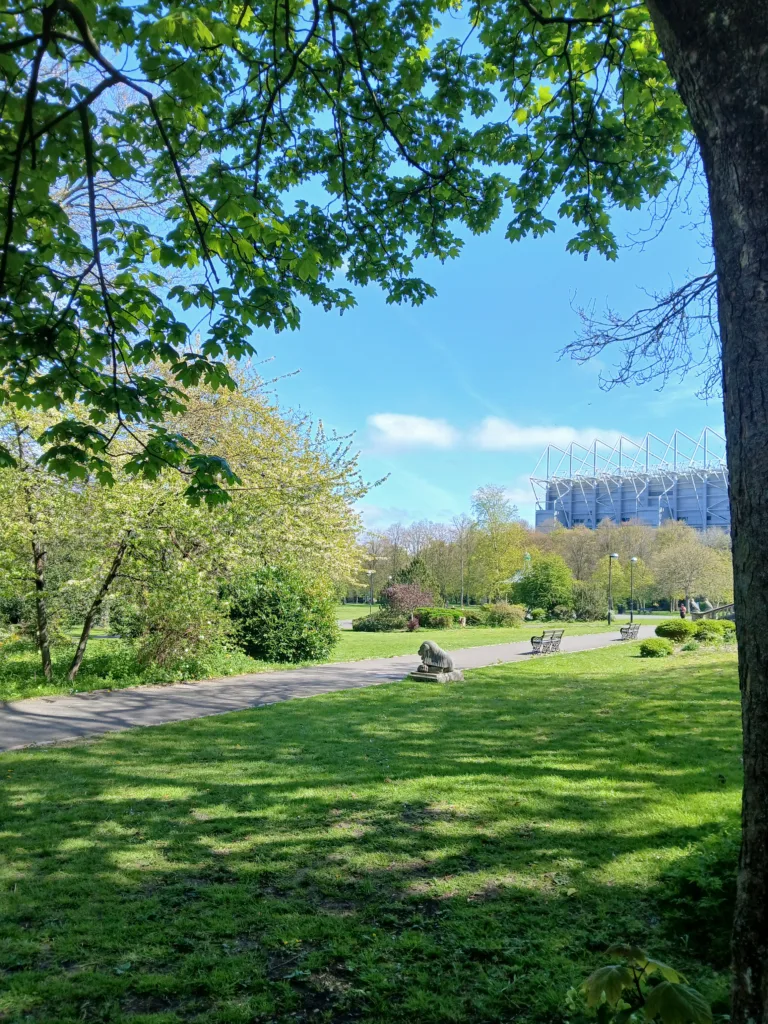
If you’re considering Walk-and-Talk Therapy, we can begin with an online or phone session to explore what brings you to therapy and whether this way of working feels like a good fit. This gives us time to get to talk through any practical questions, and decide together what feels most supportive.
Walk-and-Talk sessions take place in Leazes Park, just a short walk from St James’ Metro station and Newcastle city centre.
We can walk at a pace that feels comfortable for you. Some people enjoy a gentle stroll throughout the session, while others prefer to slow down, pause on a bench, or spend time sitting and talking.
Some people choose Walk-and-Talk Therapy for every session, while others enjoy a blended approach, combining outdoor sessions with online or phone counselling. Together we can find an approach that works best for you.
A Thought About Privacy
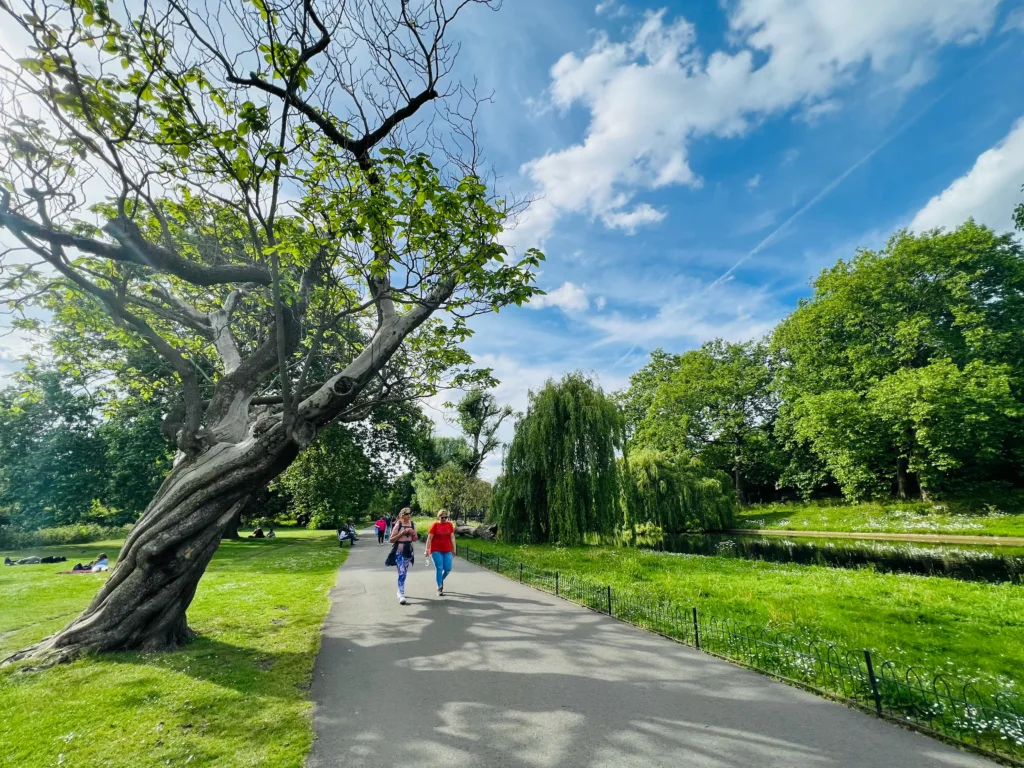
It’s natural to wonder what happens if we see someone you know while we’re out walking. Before we begin, we’ll talk about how you’d like to handle this. We might pause our conversation, change direction, or continue in whatever way feels most comfortable for you.
If the weather isn’t suitable for walking, or if you’d prefer to be indoors on a particular day, sessions can easily take place online instead.
Walk-and-Talk Therapy is offered in line with professional and ethical guidance so that your privacy, safety, and comfort remain an important part of the therapeutic process.
Moving Forward, Step by Step
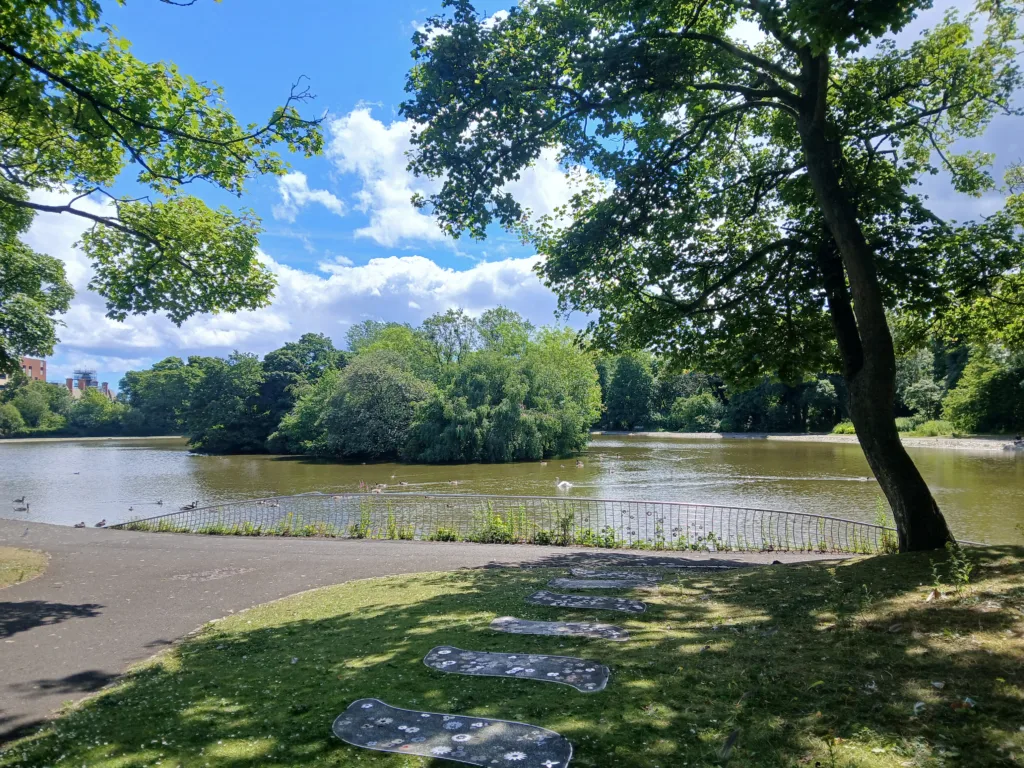
For some people, Walk-and-Talk Therapy offers a refreshing change of pace when things feel stuck. For others, it becomes the approach that feels most natural and supportive.
Changing the environment, stepping outside, breathing fresh air, and walking together can bring new energy and perspective into therapy.
For many people, there is something comforting about being outdoors, moving at their own pace, and having space to think and talk. Together, we can explore whether it feels like a helpful approach for you.
Moving forward physically can become part of moving forward emotionally too.
If you’d like to explore this, please feel free to get in touch.
References
- Dickmeyer, A. (2025). Walk-and-talk therapy versus conventional indoor therapy for men with low mood: A randomised pilot study. Clinical Psychology & Psychotherapy. PubMed Central
- Doucette, P. A. (2004). Walk and talk: An intervention for behaviorally challenged youths. Adolescence, 39(154), 373–388.
- Hays, K. F. (1999). Working it out: Using exercise in psychotherapy. American Psychological Association
- Mahindru, A., Patil, P., & Agrawal, V. (2023). Role of physical activity on mental health and well-being: A review. Cureus, 15(1), e33475. Cureus article page
- National Health Service. (n.d.). Exercise for depression. NHS exercise for depression
- Pretty, J and Barton, J. What is the Best Dose of Nature and Green Exercise for Improving Mental Health? A Multi-Study Analysis, Environ. Sci. Technol., 2010,44(10), pp 3947–3955
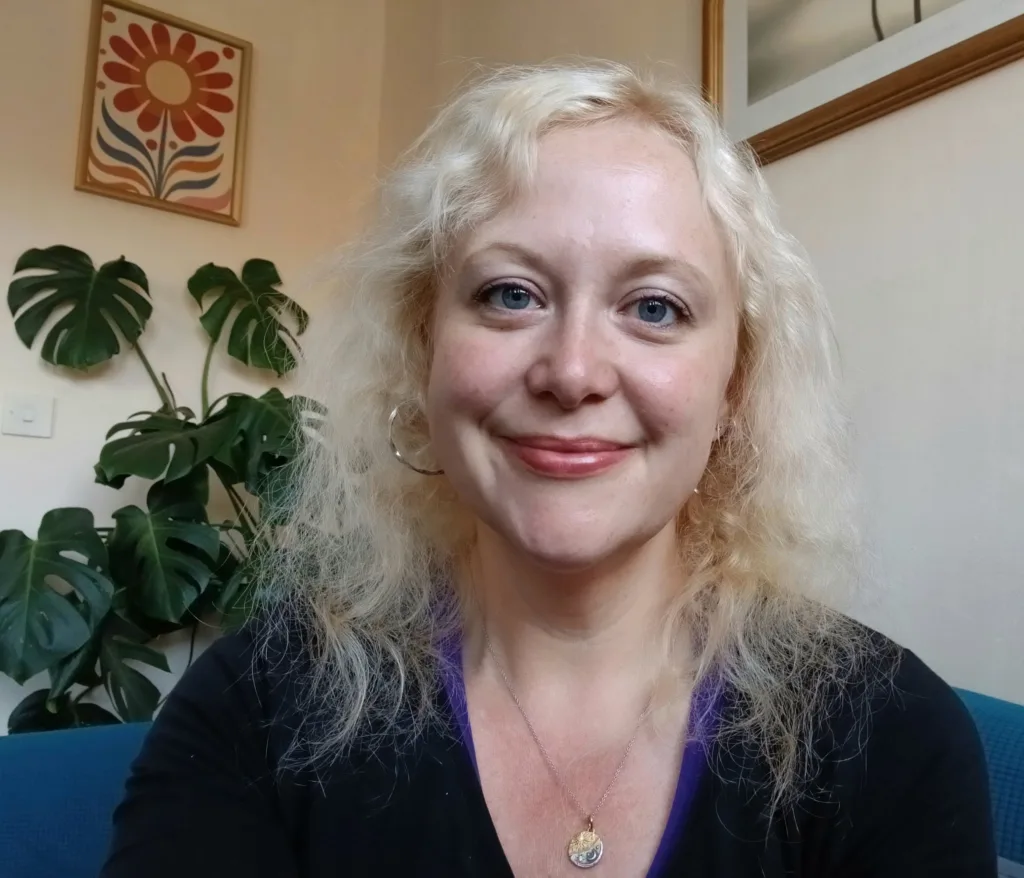
Katrin Kemmerzehl
I am a qualified psychotherapeutic counsellor in Newcastle upon Tyne.
Please get in touch if you’re interested in arranging a consultation.