How to prepare yourself when you feel anxious
30 Oct – written by Katrin Kemmerzehl – Blog
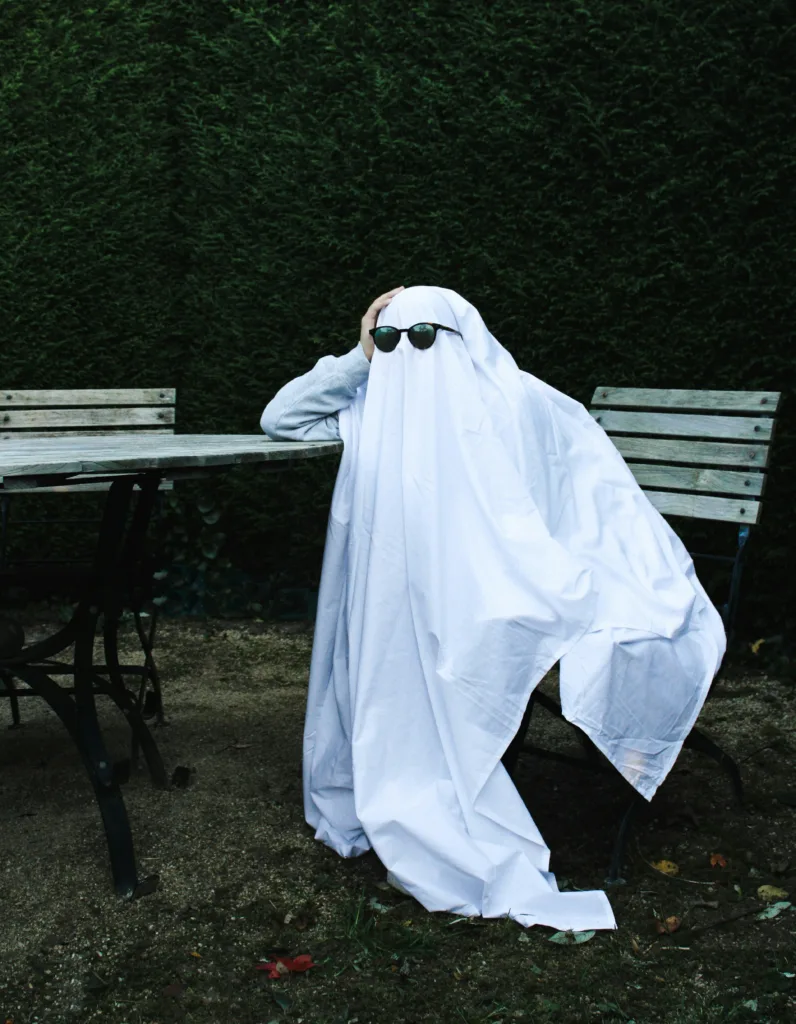
The build-up to Halloween has begun with costumes, decorations, and spooky things everywhere. For many, it’s an exciting time filled with creativity and laughter.
But for others, children, young people, or adults, it can feel overwhelming and even frightening. At Halloween, it often seems that the scarier the costume, the better.

Ghosts, skeletons, and zombies abound, serving as playful reminders of things we usually avoid thinking about — fear, darkness, and even death. While it’s all meant in good fun, it can stir deeper feelings that are harder to face.
It’s completely normal to feel uneasy or overwhelmed at times. Focussing on feeling safe and in control of your surroundings can be helpful, especially on days that can trigger anxieties.
Consider Your Needs

It can help to talk about Halloween gradually and exploring what feels comfortable and what doesn’t. If you are neurodivergent or sensitive to noise, lights, or crowds, it can be helpful to plan ahead. Some may benefit from using ear defenders, bringing a comforting item, or simply choosing quieter activities.
Whether for yourself or someone you care about, recognising what you need to feel at ease is the first step toward self-compassion.
Acknowledge Your Fears
Fear is a valid and powerful emotion. It’s tempting to compare yourself to others who seem unbothered by things that make you anxious, but everyone has different thresholds. It’s okay to be different and to have other preferences.
What is frightening me?
Sometimes it helps to ask yourself: What exactly is frightening me? Is it the costumes and masks, the idea of death, or the unknown? When we can identify our fears, they often start to lose some of their intensity.
It’s also worth remembering that the “scary” parts of Halloween are make-believe. Behind every ghost or zombie is just another person having fun. Recognising this can help shift perspective.
Find New Choices and your Safe Space
You always have choices — whether that’s skipping the haunted house, choosing a light-hearted movie instead of a scary one, or enjoying quieter traditions like pumpkin picking, carving or baking.

Having choices restores a sense of control, which helps reduce anxiety. You can decide how involved you want to be and what feels right for you. For families, balancing fun with sensitivity can make the season more enjoyable for everyone.
Identifying your ‘safe space area’, a quiet, cosy space where you can go to rest, unwind and reset, can make a big difference. It’s okay to stay home, say no to an event, or create your own version of Halloween that feels more peaceful and supportive.
Anxiety and Fear Beyond Halloween
If your anxiety lingers beyond the spooky season and begins affecting your daily life, it may help to talk to a professional.
Counselling offers a safe, confidential space to explore what’s happening beneath the surface, not just the symptoms, but the deeper meanings behind them.
In the past, death was a more naturally accepted part of life. The dead were held vigil at home and many people visited to say goodbye. Death and the dead, both animal and human, were commonplace.
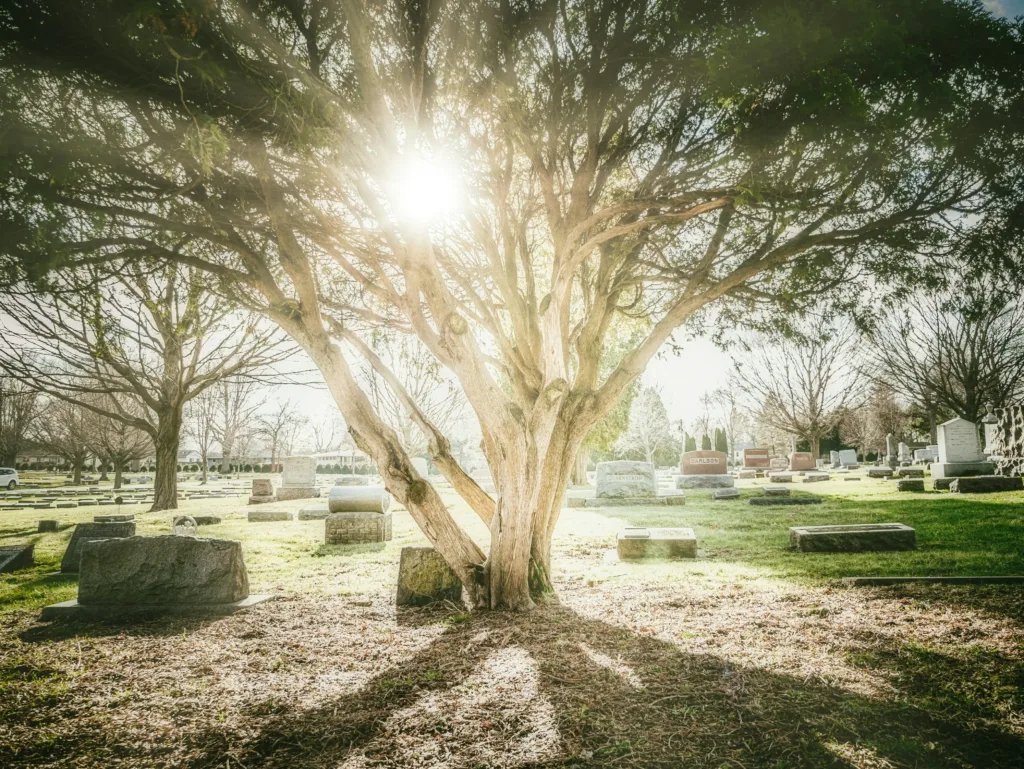
As time has passed, death often becomes more distant from our minds and more abstract, until it happens to someone close to us.
It’s possible to live a life slightly disconnected from death, making it seem unnatural and something far away. The unfamiliar and unnatural are frightening for many people.
Understanding Fear and Anxiety
Psychologist Philip Zimbardo notes in his Psychology book that fear is a natural biological response, our body’s way of keeping us safe from danger. When our brain perceives threat, it triggers the “fight, flight, freeze, or flop” response, preparing us to survive.
The trouble is, sometimes our messages get a bit scrambled, and we can be left with feelings of fear, or even panic, when there is no physical danger to be afraid of. This tension can set up a conflict inside, leaving us tense, anxious, and exhausted.
The awareness of our own mortality
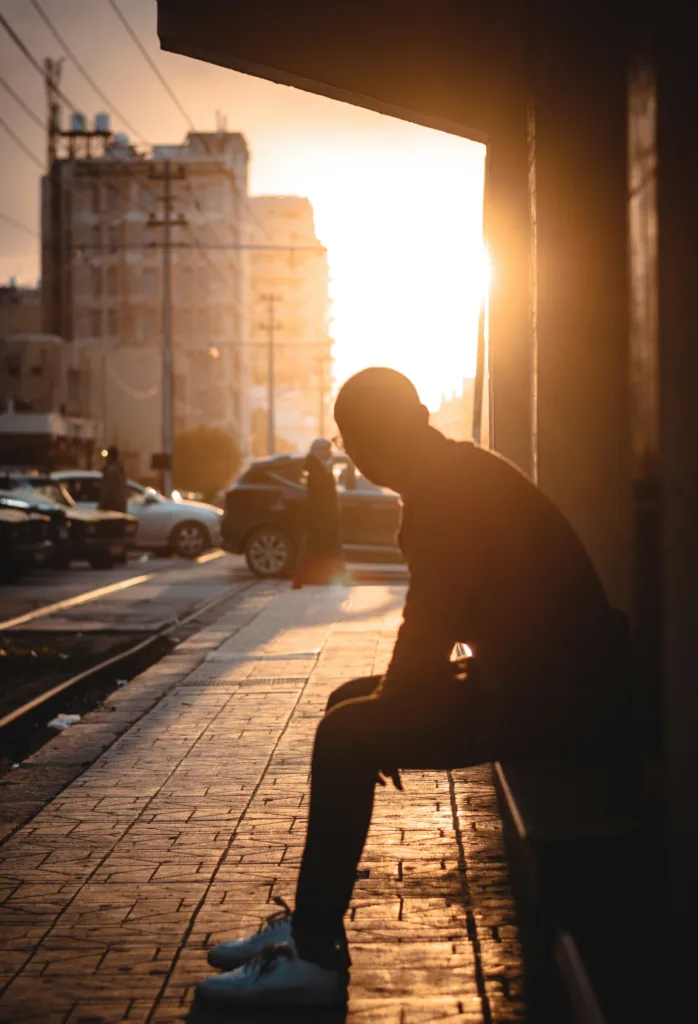
Irvin Yalom, in Staring at the Sun, reminds us that much of human anxiety stems from our awareness of mortality.
He explained “I urge you not to distract yourself. Instead, savor awakening. Take advantage of it. Pause as you stare into the photograph of the younger you. Let the poignant moment sweep over you and linger a bit; taste the sweetness of it as well as the bitterness.
Keep in mind the advantage of remaining aware of death, of hugging its shadow to you. Such awareness can integrate the darkness with your spark of life and enhance your life while you still have it. To way to value life, the way to feel compassion for others, the way to love anything with greatest depth is to be aware that these experiences are destined to be lost.” (Yalom, 2008, p. 113)
Halloween, in a playful way, raises our awareness of that deep existential truth that life is fragile and uncertain. Facing this, rather than avoiding it, can open a path to greater appreciation and authenticity in life.
What can we do about fears?
When we ignore it, fear can become more intense and urgent. We may end up afraid of the fear itself, as well as still fearing whatever has triggered us. When we are able to turn towards how we feel and truly notice fear, it somehow loses its power. When we are no longer afraid to feel it, we can find out what messages it is trying to share.
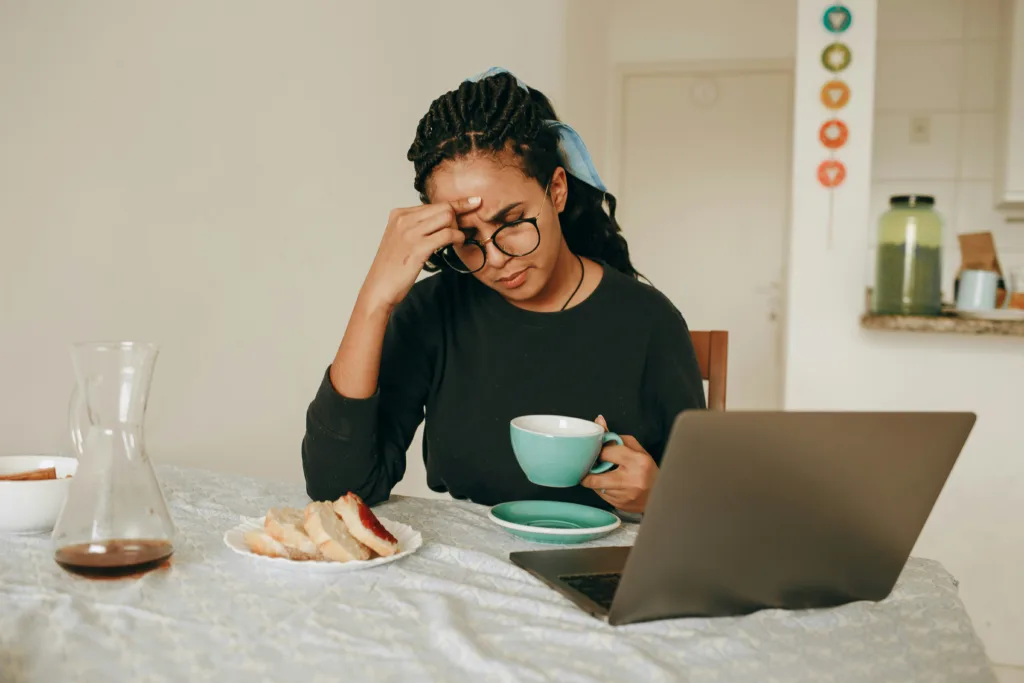
To address your fears, start by taking deep breaths, sitting still, and expressing your thoughts and feelings. Understand what comes up, and practice self-compassion for your worries.
Gradually expose yourself to what you fear, beginning with simple words or images and moving towards more challenging thoughts or experiences.
How Counselling can help
Counselling can provide a safe space to explore these feelings, develop coping strategies, and reduce the impact of fear through talking therapy.
In Person-Centred Therapy, the emphasis is on acceptance, empathy, and unconditional positive regard. By being truly heard and understood, clients often find that their fears lose intensity. Feeling safe enough to express emotions, without judgement, is the foundation of healing.
Existential Therapy builds on this by helping us explore life’s ‘big questions’: meaning, mortality, freedom, and isolation. Rather than trying to get rid of fear, it invites us to understand what it reveals about our values and the way we live.
Transactional Analysis (TA) adds another helpful perspective. TA explores how the different ‘ego states’ – Parent, Adult, and Child – influence how we think, feel, and behave. When fear takes over, we might find ourselves responding from our Child state, feeling small, powerless, or frightened.
Counselling can help us strengthen our Adult state, the grounded, rational part in us that helps us stay calm and make balanced choices.

By exploring these parts of ourselves in therapy, we can begin to rewrite our inner critical messages (“I shouldn’t feel scared,” “I must be in control”) into kinder, more realistic ones.
Finding Calm and Meaning
When we stop running from fear and anxiety and instead turn towards it with compassion, something changes. We begin to see out feelings not as an enemy, but as a messenger, one that can lead us to a deeper understanding of ourselves.
Counselling provides a space to listen to those messages, to untangle the anxiety, and to find strength in vulnerability. Through this process, fear loses its grip, making room for confidence, calm, and a more authentic way of being. If you’re curious about therapy, please feel free to reach out.
References
- Berne, E. (1961). Transactional Analysis in Psychotherapy. Grove Press.
- Rogers, C. R. (1951). Client-Centered Therapy: Its Current Practice, Implications, and Theory. Houghton Mifflin.
- Yalom, I. D. (2008). Staring at the Sun: Overcoming the Terror of Death. Jossey-Bass.
- Zimbardo, P. G., & Johnson, R. L. (2019). Psychology: Core Concepts (8th ed.). Pearson
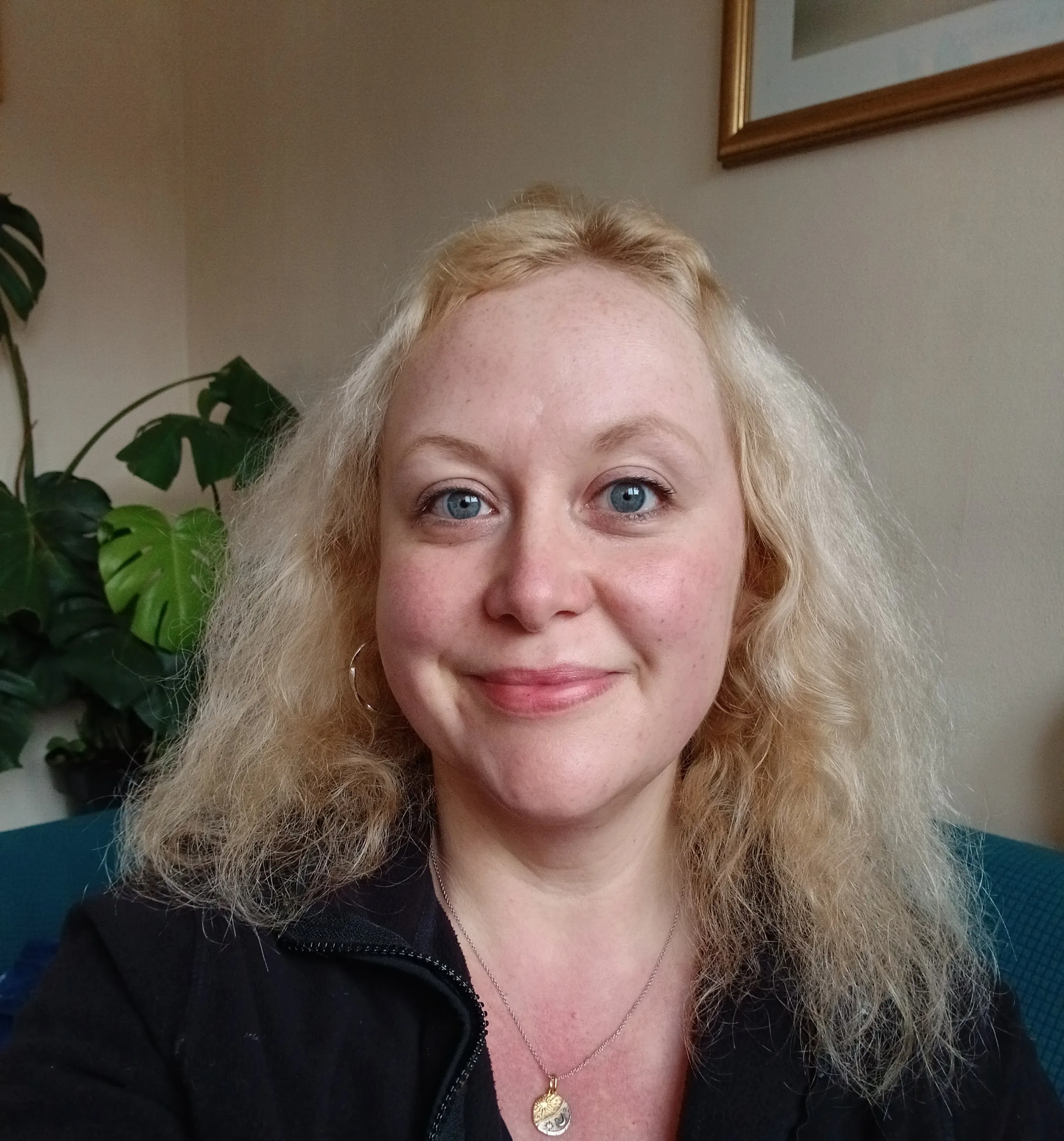
Katrin Kemmerzehl
I am a qualified psychotherapeutic counsellor in Newcastle upon Tyne.
Please get in touch if you’re interested in arranging a consultation.