The cost of “fitting in”
10 Dec – written by Katrin Kemmerzehl – Blog – Published in Counselling Directory

Neurodiversity is a concept that explains how our brains work differently as part of a normal variation. Society needs people whose brains work differently because they have gifts that neurotypical people often do not. If you are neurodivergent, you are needed and valuable.
But a diagnosis doesn’t tell us the whole story. We can also use it as a tool for self-understanding rather than a reason to avoid deeper self-reflection.
Neurodiversity and masking

Autism and ADHD illustrate the diverse ways people think and experience the world, bringing their own mix of skills and challenges (Barkley, 2010).
Still, plenty of autistic people and those with ADHD realise early on that their needs often don’t match what’s expected. They might hear they’re overreacting, not paying attention, or coming off too strong. Sometimes their excitement, questions, or directness leave others puzzled.
Neurodivergent people often figure out that acting differently avoids conflict, even if it means covering up who they really are. This way of dealing is called masking (Hull et al., 2017).
If we mask, we feel less exposed and more included at times, but it weakens our confidence and sense of self. Research shows that over time, keeping up the act can lead to exhaustion, constant worry, anxiety, low self-esteem, and burnout (Raymaker et al., 2020).
Just getting through

Masking often shows up when you’re trying to navigate life, work, or relationships.
Safety and protection
Being a child who gets mocked for flapping their hands, being too quiet, being restless or saying things straight up can be hurtful. Pretending turns into protection from getting judged, criticised, or picked at.
Belonging and acceptance
People naturally seek connections. Worries about not being accepted can lead to hiding one’s traits to fit in socially.
Meeting expectations
At work or school, we receive praise for being calm, chatting easily, adapting fast, working quickly, or juggling tasks. Neurodivergent people can struggle with this, and masking helps them cope with those demands.
Stigma avoidance
Autism and ADHD often come with negative assumptions. A person might hide their traits so others won’t treat them oddly, or act overly sympathetic (Miller et al., 2021).
Hiding our true selves

To shield themselves from being picked on or judged, a person might hide how they really act or feel, trying not to stand out and avoid conflict.
Some autistic people push themselves to make eye contact, appear chatty, practice what to say ahead of time, mimicking how others behave, yet holding back from prioritising their own needs.
People with ADHD may stay late just to cover up messy planning, use jokes to smooth things over, or develop perfectionistic tendencies. Some people hide their true selves without even noticing – it just feels like how life works.
The emotional costs of fitting in

Hiding your true self can slowly wear you down and lead to serious consequences:
- feeling disconnected from who you really are
- a weak sense of worth
- feeling insecure
- feeling stressed, worn out, anxious or depressed
- lack of self-care
- struggling to set healthy boundaries
Autistic individuals who hide their traits for too long often face burnout, which can be understood as a shutdown (Raymaker et al., 2020).
Why masking can lead to burnout

Masking takes a lot of brainpower. This steady drain might exceed what someone can handle inside. Autistic people and those with ADHD often force themselves to manage loud environments, social rules, or daily tasks without real help around them. This could lead to:
- emotional cutoff or pulling away
- trouble doing regular tasks
- sensitivity to sounds, bright lights, or being around people
- stressed out when small things pile up
- lower ability to handle pressure
Energy plummets, daily tasks get harder, and nerves feel raw. It’s what happens when stress piles up without resting, coping runs out, and help is missing.

Some people with ADHD end up burned out after struggling nonstop to focus, plan, be on the go, or manage emotions.
Trying hard to seem organised, constantly self-monitoring and needing to get everything right means pushing themselves too much (Barkley, 2010). When we mask, we often don’t show our struggles to the people who care and support us.
That slows down help arriving, leaving us stuck pretending, since we believe we need to handle things alone.
But your brain and body are saying ‘enough’. While pushing through seems normal, hitting pause is necessary, and recovery can take a long time.
Signs you are masking more than you realise

Often, we don’t notice it when we’re hiding our true selves. Maybe one or more of these situations sound familiar:
- feeling drained after hanging out with people
- going over talks again later to figure out if your words were ok
- disregarding sensory sensitivities and pushing through places and situations that seem too intense
- acting differently depending on who’s nearby
- struggling to unwind – or just act natural – around others you actually enjoy
- not sure what you like and what your needs are
Moving toward self-acceptance

Some people say stop masking can be freeing – like finally breathing out after holding in our breath for so long (Hull et al., 2017; Miller et al., 2021).
Liking yourself just as you are might feel unfamiliar at first, but you can slowly find your way to who you really are.
Understanding yourself and your needs
Finding out about your preferences, needs, and how your brain works can lift a weight off your shoulders.
Figuring out what truly helps – like calm spots, sound-blocking earphones, regular pauses, routines, or rest time – might boost your ability to cope.
Lots of people say getting a diagnosis, official or figuring it out yourself, provides understanding and words to experiences.This kind of insight makes sense of old struggles and allows for more self-compassion.
Building authentic relationships

It can be helpful to think about ‘Who makes me feel most at ease just being who I am?’ Start allowing yourself to express your feelings with someone you feel comfortable with and see how that feels.
Realness might begin with little things – needing space, or saying it’s too much. Just allowing yourself these moments can feel like finding solid ground again and will help to foster more authentic relationships.
Setting healthy boundaries
Saying no or cutting back on overwhelming hangouts or events can be smart. Setting limits keeps stress low, so exhaustion doesn’t creep back in will help you be available for yourself and others long-term.
Build healthy connections
Spending time with people who accept you for who you are and reaching out to those who’ve been through similar things can be very validating.
Practice self-compassion
Providing yourself with the same kindness, care and warmth that you’d show to a good friend can help move beyond outdated beliefs and towards a more accepting ‘I’m ok’ attitude.
Find a neurodiversity-affirming therapist

A neurodiversity-supportive counsellor won’t push to change who you are. Rather, they’ll help you grasp your traits and embrace them (Hull et al., 2017).Therapy can help you:
- recognise masking patterns
- restore self-esteem
- find out who you really are
- learn to take care of yourself
- challenge your inner critic
- develop effective coping strategies
- support you with other challenges
- improve your capacity for self-compassion
Maybe you’re holding onto years of hiding, pressure, and quiet struggle. Lots of autistic people and those with ADHD discover that when they understand themselves better, treat themselves kindly, and accept help, life starts feeling better – less exhausting, and more real.
If you’d like to explore this in therapy, you’re very welcome to get in touch.
Dropping the act – even slowly – can be like catching your first full breath. That relief? You’ve earned it.
References
- Kemmerzehl, K. Neurodiversity, masking, and burnout: The cost of “fitting in”. Counselling Directory.
Hull, L. et al. (2017). “Putting on My Best Normal”: Social Camouflaging in Adults with Autism Spectrum Conditions. Journal of Autism and Developmental Disorders. - Raymaker, D. M., Teo, A. R., Steckler, N. A., Lentz, B., Scharer, M., Delos Santos, A., Kapp, S. K., Hunter, M., Joyce, A., & Nicolaidis, C. (2020). “Having All of Your Internal Resources Exhausted Beyond Measure and Being Left with No Clean-Up Crew”: Defining Autistic Burnout. Autism Adulthood, 2(2), 132–143.
- Barkley RA. Taking Charge of Adult ADHD. Guilford Press; 2010.
- Miller D, Rees J, Pearson A. “Masking is life”: experiences of masking in autistic and nonautistic adults. Autism Adulthood. 2021;3(4):330-338.
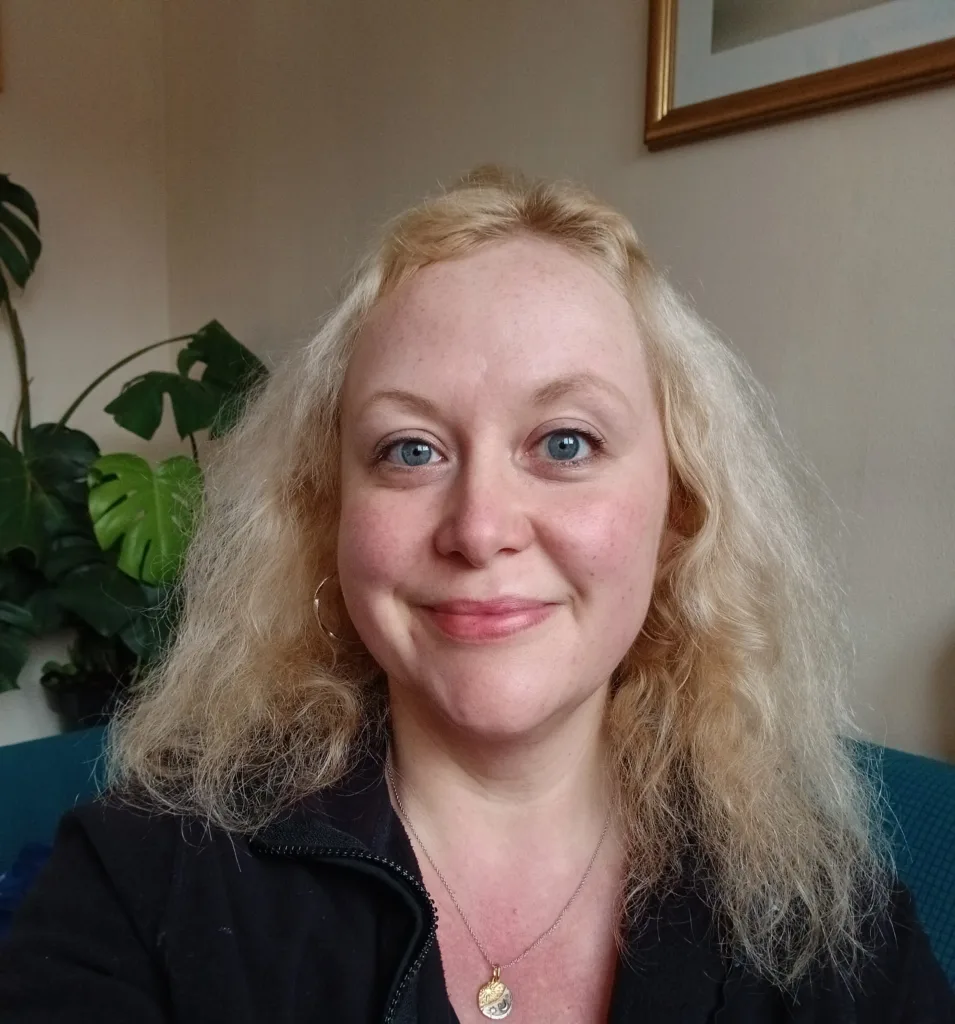
Katrin Kemmerzehl
I am a qualified psychotherapeutic counsellor in Newcastle upon Tyne.
Please get in touch if you’re interested in arranging a consultation.