A Warm, Supportive Guide for You
27 Jan – written by Katrin Kemmerzehl – Blog

If you’re neurodivergent – or think you might be – counselling can feel intriguing
Maybe you’ve tried therapy before and it didn’t quite fit, or perhaps you’ve avoided it, unsure whether a therapist would truly understand you.
If you’ve ever felt exhausted from masking, frustrated by unmet expectations, or simply unseen or misunderstood, neurodiversity-affirming therapy can offer validation, practical support, and a gentle path to self-acceptance.
Being wired differently from neurotypical people comes with its own strengths, challenges and gifts. Neurodiversity-affirming therapy helps you understand and embrace your nervous system, your needs, your strengths, and your whole self.
It’s a way of working that values your unique experiences, personality, and perspective, so you can live more comfortably, confidently, and authentically.
Understanding Neurodiversity

Neurodiversity refers to the natural variation in how human brains function. It includes conditions such as autism, ADHD, dyslexia, and dyspraxia, among others (National Autistic Society, 2023; Singer, 2017).
A neurodiversity-affirming perspective recognizes that these differences are natural. They bring both strengths and challenges, shaped further by the environments in which people live. Often, difficulties arise because the world is not always designed with neurodivergent needs in mind (Armstrong, 2010).
When clients experience neurodiversity-affirming therapy, they often feel seen and understood in ways they never have before. They may discover more understanding for challenges they’ve faced for years, such as social misunderstandings, sensory overwhelm, or difficulty sustaining attention.
Instead of viewing them as personal shortcomings, they can be understood as consequences of living in a neurotypical world. At the same time, therapy can help people build strategies, set boundaries, and reclaim their energy.
Why People Seek Neurodiversity-Affirming Therapy

People come to therapy for many reasons, but for neurodivergent clients, a few common themes often emerge:
- Burnout and exhaustion: Years of overcompensating, masking or pushing through difficult environments can leave neurodivergent people depleted. Therapy can provide tools to manage energy and prevent overwhelm, and a space to process feelings and emotions. I
- Challenges with masking: Masking, hiding, or suppressing oneself to fit in can create stress, low mood, and feelings of disconnection. Therapy can help gradually reduce the need to mask, giving you space to explore who you are.
- Improved therapy experiences: Many neurodivergent clients have previously felt misunderstood, dismissed, or pathologised. An affirming therapy aims to validate your experiences rather than trying to “fix” the person.
- Advocating your needs: Some clients come to therapy because they find it hard to express their needs. A therapist can guide and support you in developing self-advocacy skills that work for you.
- Update your self-esteem: In a supportive and accepting therapy space, you can learn to value yourself and embrace your strengths while navigating life and life changes more confidently.
Therapy can support you to move through life in ways that respect your boundaries and build on your strengths (Singer, 2017, Anderson, 2023)
Masking and Burnout – The Weight of Holding It Together

Many neurodivergent people spend years holding themselves together in ways that are invisible to others. This effort is often referred to as masking.
Masking can involve hiding or softening parts of yourself to fit in, avoid judgment, or feel safe. It might look like forcing eye contact, carefully monitoring tone of voice, suppressing stimming, rehearsing conversations, or pushing through exhaustion while appearing calm and capable (Hull et al., 2017).
For many, masking begins early in life as a response to repeated experiences of being misunderstood or criticised (Singer, 2017).
What once helped someone cope can slowly turn into chronic exhaustion and burnout. Clients frequently describe feeling permanently “on edge,” or “exhausted”, struggling to recover after social interactions, or being disconnected from themselves. Burnout is a common reason neurodivergent adults seek therapy.
Masking often shows up in therapy too. A client may try to be the “good” client, minimising feelings or presenting a version of themselves they believe the therapist expects, which is often a protective response.
Neurodiversity-affirming therapy recognises this. Instead of expecting clients to ‘drop their mask’ immediately, the therapist works to create safety and trust. Therapy moves at your pace, with space to pause, rest, or acknowledge exhaustion without judgment.
Over time, therapy can become a space where you do not have to hold it all together. Clients often describe a sense of relief and self-recognition simply from being accepted as they are. This can help build a foundation for greater self-acceptance, compassion, healthy boundaries, and a more enjoyable way of life.
What Neurodiversity-Affirming Therapy Looks Like

While every therapist will approach things differently, there are some common practices in neurodiversity-affirming therapy (Babb et al., 2021). A neurodiversity-affirming therapist:
- Takes the time to understand your experiences
A therapist will focus on hearing and understanding your experiences in your own words and on your own terms. They are open, flexible, and curious about neurodiversity, demonstrating warmth, respect, and understanding.
- Adapts therapy to your sensory needs
Some adjustments, such as muted lighting, using fidget tools, or offering alternative therapy forms such as walks-and-talks in nature with gentle movements and less pressure on eye contact, can make therapy more accessible and comfortable (National Autistic Society, 2023).
- Offer flexible communication style: Words are not the only way to communicate and express emotions. Some clients may bring writing, drawings, or image to sessions.
A client who had always struggled to express their feelings found that bringing stories and mental images into the session helped them gain clarity and perspective in ways that talking alone hadn’t.
- Avoiding Assumptions: Every person is unique and brings their own story, interests and experiences. Therapy begins with curiosity and listening.
A client might feel overwhelmed by sensory input, while another might be exhausted by social expectations.
- Focuses on empowerment and self-advocacy: An affirming therapist can help clients identify their strengths, clarify their needs, and navigate life more confidently, whether at home, at school, at work, or in social situations.
One client began finding the words for their sensory needs, and even asked for adjustments at work without that familiar knot of guilt. Another started saying clearer “no’s” with a partner and a friend. Over time, both noticed something shift: they felt lighter, calmer, and more like themselves.
- Addresses Burnout and Overwhelm: Therapy can offer clients strategies to manage their energy, handle overstimulation, and recognise burnout before it takes hold. Over time, they learn to listen to their needs and make choices that support their health and wellbeing.
- Creates a safe space for self-acceptance: In therapy, people have space and time to explore their authentic self, get support with gradual un-masking and self-acceptance.
- Validating: Clients often feel that their experiences – whether sensory differences, social challenges, or strong interests – have been misunderstood or pathologised (Babb et al., 2021). Neurodiversity-affirming therapy offers a space where your perspective is heard and respected, while also supporting practical strategies for managing life’s challenges.
When therapy is tailored to a person’s individual strengths, needs, and ways of communicating, it can support them in living with more ease, self-awareness, and self-compassion.
What are the Benefits of Neurodiversity-Affirming Therapy?

People often report several positive outcomes from neurodiversity-affirming therapy (Armstrong, 2010):
- A sense of being understood and accepted, often for the first time in a therapeutic setting
- Tools to manage burnout and sensory overload
- Space to explore identity, interests, and emotions
- Development of self-advocacy and coping strategies
- Reduced feelings of shame or guilt for being different
- Greater confidence in professional and social situations
The focus is on helping people live life more comfortably and authentically, with support and emotional understanding.
Moving Forward With Clarity and Compassion

Therapy that is affirming is about welcoming who you are, finding ways to navigate life, look after yourself, reclaiming your energy, and reconnecting with yourself (Singer, 2017).
When you feel understood and genuinely heard, things often begin to feel lighter — and you may find yourself growing in confidence and living in ways that feel more true to who you are.
If you’re curious about neurodiversity-affirming therapy or would like to explore whether this feels right for you, you’re very welcome to get in touch.
References:
- Anderson, L. K. (2023). Autistic experiences of applied behavior analysis. Autism, 27(3), 737–750.
- Armstrong, T. (2010). The power of neurodiversity: Unleashing the advantages of your differently wired brain. Da Capo Lifelong Books.
- Babb, C., Brede, J., Jones, C. R., Elliott, M., Zanker, C., Tchanturia, K., & Fox, J. R. (2021). ‘It’s not that they don’t want to access the support… it’s the impact of the autism’: The experience of eating disorder services from the perspective of autistic women, parents and healthcare professionals. Autism, 25(5), 1409–1421.
- Hull, L., Petrides, K. V., Allison, C., et al. (2017). “Putting on my best normal”: Social camouflaging in adults with autism. Journal of Autism and Developmental Disorders, 47(8), 2519–2534.
- National Autistic Society. (2023). Understanding autism.
- Singer, J. (2017). Neurodiversity: The birth of an idea. Redditch: John Wiley & Sons.
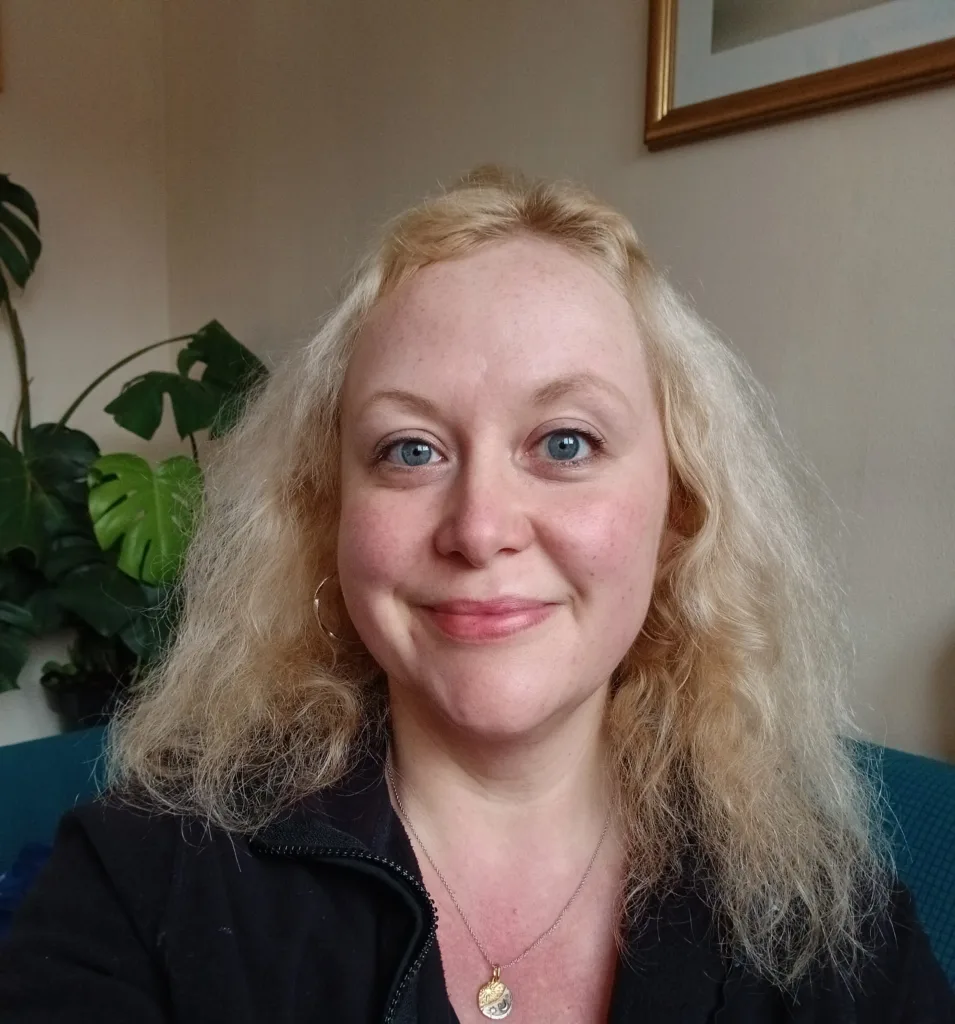
Katrin Kemmerzehl
I am a qualified psychotherapeutic counsellor in Newcastle upon Tyne.
Please get in touch if you’re interested in arranging a consultation.