Understanding the Roles We Play and the Stories We Carry Through Life
30 Oct – written by Katrin Kemmerzehl – Blog

Our experiences throughout life help shape who we become, influencing how we see ourselves, other people and the world around us.
The experiences we have growing up can be particularly influential. From an early age, we learn to navigate the world and find our place in it. Our understanding of ourselves and others is shaped by our family relationships, the environment we grow up in, our experiences at school and the messages we receive from those around us (Grusec, 2011).
Over time, we develop ways of relating to others, responding to situations and making sense of where we belong. Perhaps we learn to keep others happy, avoid conflict or try hard to get things right. Some of these patterns can stay with us into adulthood, even when the circumstances that first shaped them are no longer part of our lives.
The roles we play

We often develop particular roles in life based on what we’ve learned about ourselves, other people and the world around us. Perhaps we become the fixer, the carer, the hard worker, the peacemaker or the person everyone can rely on.
Maybe you’ve learned to be the one who finds a solution when something goes wrong, looks after everyone else or works hard to get things right. You might have become very independent, rarely asking for help, or found yourself paying close attention to what others expect of you and trying to get things right.
For some neurodivergent people, this might also mean spending a lot of time working out how to fit in, adapting to different social situations or trying to meet expectations that don’t always come naturally. Perhaps you’ve found yourself playing the role of the capable one, the easy-going one or the person who doesn’t make a fuss, even when things feel different on the inside (Hull et al., 2017; Cook et al., 2021).
These roles aren’t necessarily things we’ve consciously chosen. They can develop gradually, shaped by our experiences and the messages we receive about who we should be and how we should behave. In Transactional Analysis, the idea of a life script helps explain how early experiences and messages can shape our beliefs and the ways we approach life (Stewart & Joines, 2012).
And there may be very good reasons why we learned to take on these roles. Being helpful might have brought appreciation. Keeping the peace might have helped us avoid conflict. Working hard might have given us a sense of security or belonging. Adapting to others might have helped us feel accepted or made certain situations easier to navigate.
The difficulty is that roles that once helped us get by can sometimes ask too much of us as adults. We might find ourselves automatically putting other people’s needs first, taking responsibility for things that aren’t ours to carry, or feeling that we always need to be capable and in control. Perhaps we become so used to adapting to others that we lose touch with what feels comfortable or important to us.
When familiar patterns leave us feeling stuck

The roles we’ve learned to play and the beliefs we’ve developed can sometimes make it difficult to work out what we really want, or make choices that feel right for us.
Perhaps you find yourself going over conversations long after they’ve happened, wondering whether you said the wrong thing or upset someone. You might spend a lot of time thinking through what could go wrong, or find it difficult to make decisions because you’re worried about getting them wrong.
Maybe you’re the person others turn to when they need help, but find it harder to talk about your own feelings or ask for support. You might say yes when you’d rather say no, or feel responsible for keeping everyone happy.
Perhaps you put a lot of pressure on yourself, find it difficult to switch off or feel guilty when you’re not being productive. Even when you’re tired, there can be a sense that you should be doing more.
These patterns can become so familiar that we hardly notice them any more. They might feel like part of our personality, or simply the way we’ve always been. But looking at them with a little curiosity can help us understand ourselves differently.
Understanding ourselves through Transactional Analysis

Transactional Analysis (TA), developed by psychiatrist Eric Berne, offers a way of understanding how our experiences shape the way we think, feel and relate to others.
One of its ideas is that we move between three different ego states, known as Parent, Adult and Child (Berne, 1961). These aren’t separate personalities, but different ways of thinking, feeling and responding.
Our Parent ego state can reflect messages and expectations we’ve picked up from important people in our lives. Our Child ego state relates to feelings and ways of responding that have their roots in childhood. Our Adult ego state helps us take in what’s happening now and consider how we might respond.
We all draw on these different ways of responding. For example, imagine someone asks you to take on another task at work when your workload is already full. You might hear an inner voice telling you that you should manage it, or feel uneasy about saying no. Taking a moment to consider what you can realistically manage can help you recognise that you have a choice in how you respond.
TA also explores the idea of a life script. This describes how early experiences and messages can contribute to the beliefs we develop about ourselves, other people and how life works (Berne, 1961; Stewart & Joines, 2012).
Some messages are spoken directly: “Don’t cry”, “Don’t make a fuss”, “Work hard” or “Be good”. Others are picked up more quietly, through watching the people around us and noticing what seems to be expected.
Perhaps you learned that being helpful was a good way to feel valued, that difficult feelings were best kept to yourself, or that you should manage everything on your own.
Over time, these messages can influence what we expect of ourselves and others. They can become a little like a filter through which we see the world, without us necessarily realising it.
A neurodivergent perspective

For some neurodivergent people, adapting to the expectations of others can take up a lot of energy. You might have spent years working out social expectations, preparing what to say, monitoring how you’re coming across or trying to keep up with demands that others don’t seem to find as tiring. Research into autistic camouflaging has explored some of these experiences, including the effort involved in trying to fit in and the exhaustion this can bring (Hull et al., 2017; Zhuang et al., 2023).
Perhaps people see you as capable, easy-going or independent, while privately you’re finding everyday life much more demanding than they realise.
Discovering you’re autistic, have ADHD or are AuDHD can sometimes bring a new understanding of experiences that previously felt confusing or difficult to explain. It can also bring questions about identity, belonging and what you need to feel more comfortable being yourself.
Sometimes these ways of navigating the world are important, particularly when the environments around us aren’t accommodating. But having space to think about what works for you, what leaves you feeling drained and where you might want things to be different can also be valuable.
I’m OK – You’re OK

In Transactional Analysis, the idea of I’m OK – You’re OK is about recognising that we’re all of equal worth, even though we have different experiences, needs and ways of seeing the world (Harris, 1969).
Our early experiences can influence how we see ourselves and other people. Perhaps you’ve come to believe that other people’s needs matter more than yours, that you need to work hard to be accepted, or that making mistakes means you’ve somehow fallen short.
These beliefs can show up in all sorts of ways in everyday life. You might find it difficult to speak up, ask for help or feel uncomfortable putting your own needs first. In counselling, we can begin to explore where some of these beliefs come from and whether they still reflect how you want to see yourself and relate to others.
The idea of I’m OK – You’re OK offers a reminder that you don’t have to be perfect, endlessly capable or agreeable to have worth. With greater understanding and new experiences, it’s possible to develop a kinder view of yourself and find different ways of relating to others.
Finding a little more compassion for ourselves

When we start to recognise the roles we’ve learned to play and the expectations we’ve carried, it’s easy to become frustrated with ourselves. We might wonder why we keep saying yes, why asking for help feels so difficult, or why we can’t seem to switch off.
But what if we could meet some of these patterns with a little more understanding?
Psychologist Kristin Neff describes self-compassion as treating ourselves with kindness when we’re struggling, recognising that difficulties are part of being human, and allowing ourselves to acknowledge how we’re feeling (Neff, 2003; 2023).
This doesn’t mean pretending everything is fine or that change isn’t possible. It means recognising that our ways of coping often developed for a reason, and that we can be kinder to ourselves as we begin to understand them.
Perhaps always being the dependable one made it easier to feel secure. Maybe finding it difficult to say no helped you avoid conflict or feel accepted. Seeing these patterns in a different light can make it easier to consider what you might need now.
Rather than asking, What’s wrong with me?, you might begin to ask, What have I learned to expect of myself? What would feel a little different now?
Small shifts can matter. Perhaps you begin to pause before automatically agreeing to something, allow yourself to ask for help, or find it a little easier to make room for your own needs. Change doesn’t have to happen all at once.
Counselling gives us new choices

Understanding where our patterns come from can be helpful, but changing them isn’t always straightforward. You might know you take on too much, for example, but still find it difficult to turn someone down. Or recognise that you’re exhausted while feeling you should be able to manage more.
In counselling, we can explore the roles you’ve learned to play and the beliefs that may have shaped them. We can look at how they show up in your relationships and everyday life, and whether they still feel right for you.
Sometimes this might mean finding it easier to say no, making more room for your own needs, asking for support or allowing yourself to rest. It might simply begin with understanding yourself a little better.
Counselling offers a space to talk things through, make sense of past experiences and explore what you’d like to be different. Drawing on Transactional Analysis and other approaches where helpful, we can look at familiar patterns, understand what matters to you and consider new ways of responding. Our work together can develop at a pace that feels comfortable for you.
Over time, understanding yourself with greater compassion can help you find new ways of responding, make choices that feel more like your own and feel a little more at ease in everyday life.
If you’d like to explore this together, you’re very welcome to get in touch.
References
- Berne, E. (1961). Transactional Analysis in Psychotherapy: A Systematic Individual and Social Psychiatry. Grove Press.
- Grusec, J. E. (2011). Socialization processes in the family: Social and emotional development. Annual Review of Psychology, 62, 243–269.
- Harris, T. A. (1969). I’m OK – You’re OK. Harper & Row.
- Hull, L., Petrides, K. V., Allison, C., Smith, P., Baron-Cohen, S., Lai, M.-C., & Mandy, W. (2017). “Putting on My Best Normal”: Social camouflaging in adults with autism spectrum conditions. Journal of Autism and Developmental Disorders, 47, 2519–2534.
- Neff, K. D. (2003). Self-compassion: An alternative conceptualization of a healthy attitude toward oneself. Self and Identity, 2(2), 85–101.
- Neff, K. D. (2023). Self-compassion: Theory, method, research, and intervention. Annual Review of Psychology, 74, 193–218.
- Stewart, I., & Joines, V. (2012). TA Today: A New Introduction to Transactional Analysis (2nd ed.). Lifespace Publishing.
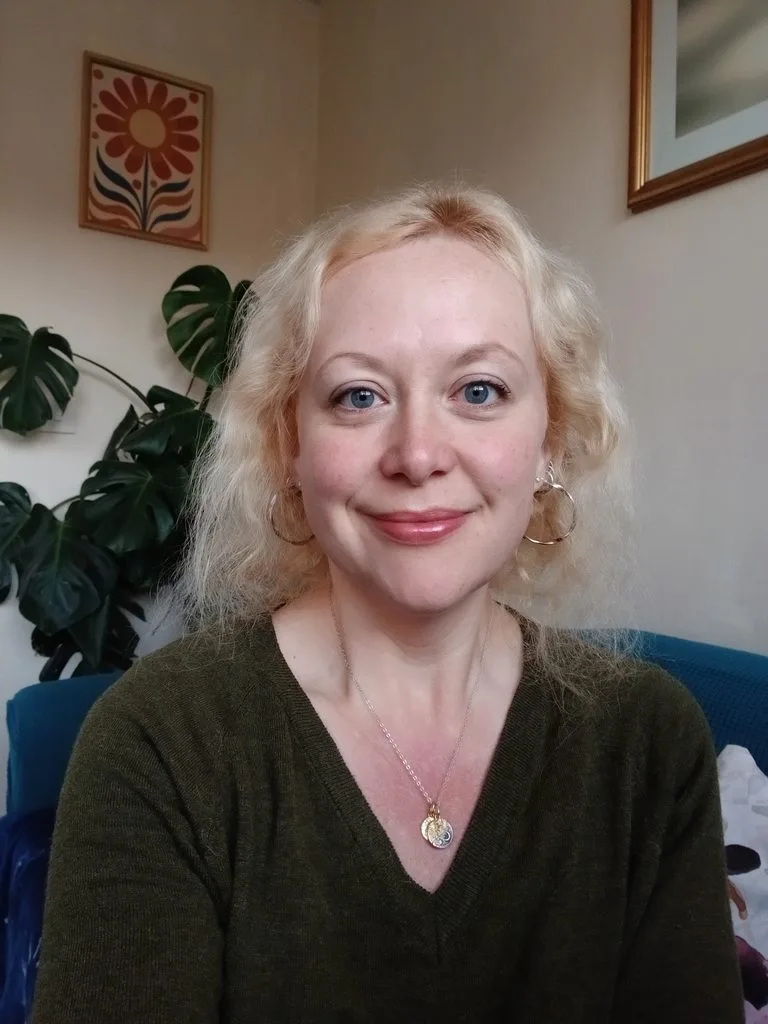
Katrin Kemmerzehl
I’m a qualified counsellor based in Newcastle upon Tyne.
Please get in touch if you’d like to arrange a consultation.