Finding steadiness in a season of more
6 May – written by Katrin Kemmerzehl – Blog

As the days grow warmer and brighter, many notice a change in themselves and in the world: morning light arrives earlier, trees become greener, birdsong louder, and parks fill up. Life begins moving outward again.
For some, this seasonal turning brings relief. More light can lift mood, encourage movement, and reconnect us with a sense of vitality. Sitting in the garden with a cup of tea may suddenly feel restorative. A walk through a park can soften the edges of a difficult day. The warmth of sunlight on our skin can bring a sense of ease.
Yet brighter days do not always bring lighter minds. The warmer months can bring their own emotional, relational, and sensory challenges.
Increased social activity, crowded places, disrupted routines, bright light, heat, sleep changes, body image concerns, loneliness, and the feeling that everyone else seems to be enjoying life more than we are.
If summer leaves you feeling overwhelmed, anxious, lonely, disconnected or emotionally drained, you are not alone.
The Hidden Pressure of Brighter Days

There is often an unspoken cultural expectation that as the weather improves, so should we. We should be making plans, feeling grateful, socialising more, and enjoying the longer days. But people do not all move in rhythm with the seasons.
For the young adult who longs to join friends at the beach but feels overwhelmed by noise, light, unpredictability, and the invisible effort of fitting in, summer can feel exhausting before it even begins.
For someone who enjoys sunshine but dreads invitations because social meet-ups require energy, social masking, and days of recovery, warmer weather may bring mixed feelings.
For the person living with grief, loneliness, depression, or social anxiety, bright evenings can sometimes feel heavy. When the world appears full of laughter, gatherings, and easy connections, pain can feel particularly hard to carry.
For some, summer brings loneliness into sharper focus. Seeing friends gather, couples spending time together, holidays being planned, and busy social lives on display can stir feelings of sadness, grief, exclusion, or disconnection.
Research shows that loneliness is not simply about being alone. More often, it is about feeling unseen, lacking meaningful connection, belonging, and relationships in which we feel genuinely understood (Hansen et al., 2024).
That is an important distinction, particularly for people who have spent much of their lives feeling slightly out of step with others.
Being surrounded by people does not necessarily ease loneliness. Feeling deeply seen often does. What we often long for is not more company, but genuine connection.
Summer, Sensitivity, and Neurodiversity

For neurodivergent people, including many autistic, AuDHD and ADHD individuals, warmer months can bring challenges that are often overlooked.
Summer frequently means more: people, stimulation, noise, unpredictability, sensory input, invitations and more pressure to socialise and to be ‘on’.
What some experience as lively can feel overwhelming to others:
- Bright sunlight may feel physically harsh
- Heat can be dysregulating
- Crowded parks, beaches, and gatherings may create sensory overload
- School holidays and disrupted routines can unsettle children, parents and young people who rely on rhythm and predictability
Adults may find themselves emotionally depleted by increased social demands and the invisible labour of masking.
A child may seem irritable or unusually clingy.
A young person may withdraw or appear moody.
An adult may feel exhausted, overwhelmed, or burnt out.
Often, what is happening underneath is nervous system overload. A neurodiversity aware perspective asks a kinder question. Not, Why are you struggling? but, What helps you feel steadier?
That shift from judgement to understanding can change everything.
Why Nature Can Help

Many people notice that being outdoors helps them feel better. In nature, we often notice how our breathing slows, thoughts soften and attention widens.
What felt urgent becomes more spacious. That sense of always being on guard can begin to soften.
Time in green space has been linked with lower stress, improved mood, and reduced anxiety, even in short periods (Bettmann et al., 2024).
The benefits of walking
Walking in nature can also help soothe repetitive thoughts and provide emotional breathing space (Ma et al., 2024). This might be one reason why some individuals find walk-and-talk therapy grounding, spacious, and helpful (Revell & McLeod, 2017). Speaking while walking side by side often feels gentle and movement helps thoughts flow.
Nature also offers something deeper than regulation. It offers perspective.
- A breeze through leaves.
- Waves folding onto shore.
- Birds moving across an open sky.
- The smell of rain.
- Warm evening light.
These moments can evoke awe, a feeling of wonder and connection to something larger than ourselves. Small moments like these can help us reconnect with ourselves.
Sometimes what helps is not doing more, but noticing more. Nature provides a holding space for reflection.
For many people, healing begins not in trying harder, but in slowing enough to hear themselves again.
Rest Is Part of Wellbeing

Longer, brighter days can lift our mood, but they can also unsettle our natural rhythms. Changes in light, schedules, sleep, routine, and energy levels can leave us feeling emotionally stretched, restless, or drained. Sometimes what helps most is not pushing through, but allowing time to rest and making space for small acts of care.
For those living with stress, anxiety, or neurodiversity, these seasonal shifts can feel especially noticeable. What looks like summer ease on the outside may, on the inside, feel like pressure, overwhelm, or simply having less space to breathe.
Being gentle with yourself, protecting your energy, keeping some structure, and allowing room for rest are not indulgences. They are meaningful ways of caring for your wellbeing (Walker, 2017).
Connection Matters

As the weather warms, relationships often become more visible. Parks fill with groups of friends, invitations increase, celebrations gather pace, and social life seems to move outward.
For some, this feels joyful and energising. For others, it can magnify loneliness, a feeling of disconnection or a sense of standing slightly outside what seems to come easily to others.
For those who have often felt a little out of step with others, connection can hold both longing and difficulty. This may feel familiar to some neurodivergent people, who may deeply value closeness while also finding social life tiring, confusing, or draining at times.
Research offers a compassionate reminder that difficulties in connection are often not about one person getting it wrong, but about people struggling to understand one another across difference (Milton, 2012). We also know that feeling emotionally close to someone we trust can bring comfort, steadiness, and help life feel more manageable (Coan & Sbarra, 2015).
A caring partner, a trusted family member, or a therapeutic relationship, can make a profound difference.
Belonging is rarely about fitting everywhere. More often, it begins where we feel welcome, at ease, and accepted as we are.
Finding your own Rhythm

Mental wellbeing is not about living the season the way other people seem to. It is about discovering what genuinely helps you feel more steady, connected, and more like yourself.
For some, that may be sunshine, movement, and time with others. For others, it may be slower mornings, shade, gentle routines, and fewer but deeper connections.
There is no single healthy way to be.
There is only the ongoing, compassionate work of learning what helps you feel most like yourself.
If this season feels difficult, whether through anxiety, overwhelm, neurodiversity, loneliness, relationship struggles, burnout, or simply the complexity of being human, therapy can offer space to slow down, reflect, and reconnect with yourself.
Finding Support in a Way That Fits You

There is no single right way to come to counselling. For some people, speaking from the comfort of home feels safest. A familiar space, a blanket, a pet nearby, and greater sensory control can make opening up feel easier.
Online or phone counselling can offer a gentle and accessible way to begin, especially for those who feel anxious, overwhelmed, or simply more comfortable in their own surroundings (Andersson et al., 2023). For others, being outdoors feels easier than sitting face to face in a room. Walking side by side in nature can create space to think, breathe, and talk freely.
Whatever feels most comfortable, we can explore ways of working together that suit you best.
If you’d like to explore this, please feel free to get in touch.
References
- Andersson, G., Carlbring, P., Titov, N., & Lindefors, N. (2023). Internet interventions for adults with anxiety and mood disorders. Nature Reviews Psychology, 2(6), 365–380.
- Bettmann, J. E., Speelman, E., Blumenthal, E., Couch, S., & Schmalz, D. L. (2024). Nature exposure, even as little as ten minutes, is likely to yield short-term benefits for adults with mental illness: A meta-analysis. Ecopsychology.
- Coan, J. A., & Sbarra, D. A. (2015). Social baseline theory: The social regulation of risk and effort. Current Opinion in Psychology, 1, 87–91.
- Ma, J., Lin, P., & Williams, J. (2024). Effectiveness of nature-based walking interventions in improving mental health in adults: A systematic review. Current Psychology.
- Milton, D. (2012). On the ontological status of autism: The double empathy problem. Disability & Society, 27(6), 883 to 887.
- Hansen, T., Nes, R. B., Hynek, K., Nilsen, T. S., Reneflot, A., Stene-Larsen, K., Tornes, R. A., & Bidonde, J. (2024). Tackling social disconnection: An umbrella review of RCT-based interventions targeting social isolation and loneliness. BMC Public Health, 24, 1917.
- Revell, S., & McLeod, J. (2017). Therapists’ experience of walk and talk therapy: A descriptive phenomenological study. European Journal of Psychotherapy & Counselling, 19(3), 267–289.
- Walker, M. (2017). Why we sleep: Unlocking the power of sleep and dreams. Scribner
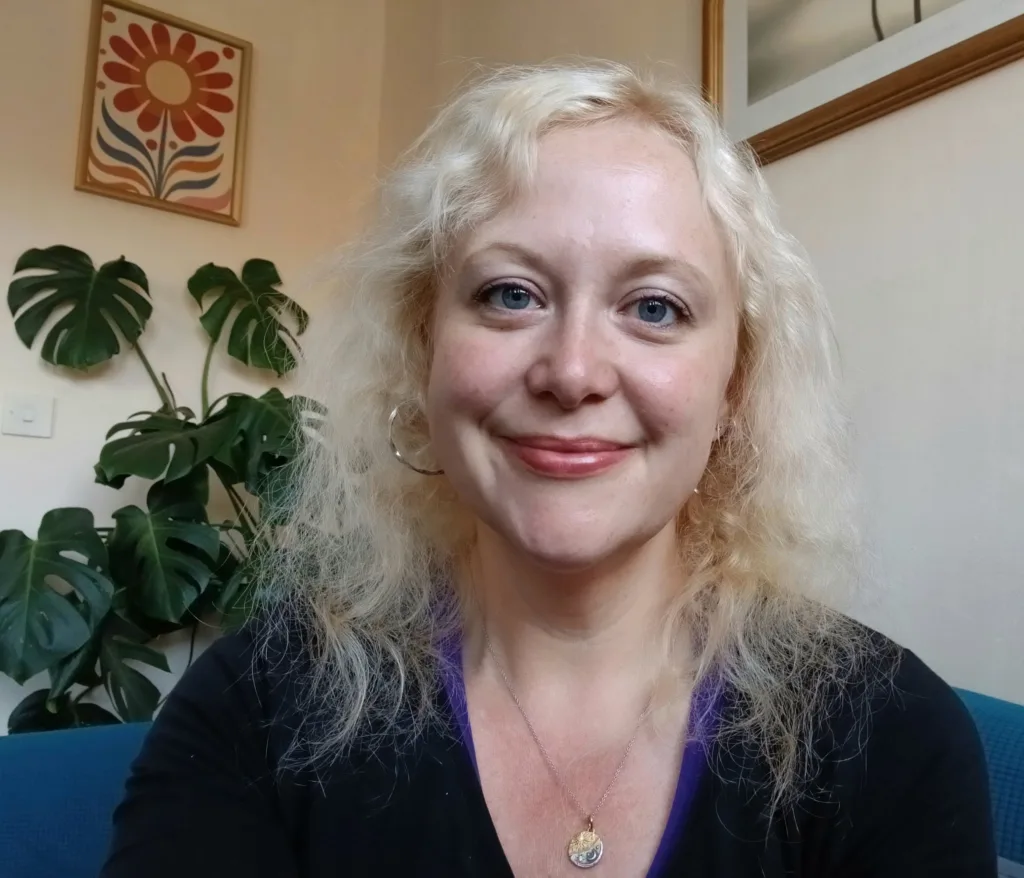
Katrin Kemmerzehl
I am a qualified psychotherapeutic counsellor in Newcastle upon Tyne.
Please get in touch if you’re interested in arranging a consultation.