Why Do I Want Connection and Distance at the Same Time?
18 August – written by Katrin Kemmerzehl – Blog

Maybe you know the feeling. You made plans a few days ago and, at the time, you were genuinely excited about them.
You pictured meeting your friend, having a coffee, enjoying a good chat, going for a walk, leaving the house, or trying something a little different.
Then the day arrives and suddenly, you don’t want to go. You look at the time. You think about getting ready, travelling there, talking, and getting yourself home afterwards.
Staying at home starts to feel very appealing. So you send the message: “I’m really sorry, but I’m not feeling great. Can we do another day?”
And then comes that enormous sense of relief. Thank goodness.
But perhaps a little later, something else happens. You feel disappointed. You actually had wanted to see them.
Maybe you miss them. Maybe you even wish you hadn’t cancelled.
This can be confusing. You might start wondering whether you’re becoming antisocial, whether you secretly don’t like people, or why you seem to want connection and distance at the same time.
If you’ve ever found yourself thinking, “Why am I like this?”, you’re certainly not alone.
Wanting connection and wanting space

We often talk about wanting company and wanting to be alone as though they are opposites.
But perhaps they aren’t. Both can be important.
Psychologists Richard Ryan and Edward Deci describe relatedness and autonomy as fundamental psychological needs (Ryan & Deci, 2000). We need meaningful connection with other people, but we also need to experience ourselves as having choice and some control over our own lives.
This might help explain why cancelling a plan can feel so good. The relief may not only be about avoiding another person. It might be about getting your time back.
Nobody needs anything from you for the next few hours. You don’t have to be somewhere at a particular time. You don’t have to talk, perform, entertain or be “on”. You can stay at home.
And once that immediate pressure has disappeared, the other need may make itself felt again. You might realise that you actually miss your friend. Both things can be true.
You might want to see someone and still want to be left alone. You can enjoy being with people and need a lot of time to yourself.
Maybe you like socialising, just not all the time

Some people naturally enjoy a lot of social stimulation, while others feel more comfortable with quieter environments, smaller groups and plenty of time to themselves.
Being introverted isn’t the same as being shy or socially anxious. Introversion is generally understood as a personality trait, whereas shyness and social anxiety involve greater apprehension or fear around social situations (Briggs, 1988; NHS, 2023).
An introverted person might genuinely enjoy spending an afternoon with a close friend and still look forward to having a quiet weekend afterwards.
That doesn’t necessarily mean they are lonely or lacking confidence. It may be what feels comfortable and restorative for them.
If you assume that wanting time alone means something is wrong, you can end up pushing yourself towards a version of social life that doesn’t actually suit you.
And perhaps you don’t need to become more social. Perhaps it helps to understand what kind of social life actually feels good to you.
It’s not always about how much socialising you do

We sometimes measure our social lives in numbers.
How many friends do I have?
How often do I go out?
How many invitations do I get?
Should I be meeting people more often?
But quantity isn’t necessarily the same as connection.
Research suggests that the quality of our social interactions can matter at least as much as the quantity. Meaningful and satisfying connections can be especially important for our wellbeing, so it isn’t necessarily about having more social contact, but about finding the kinds of connection that feel right for us (Sun, Harris, & Vazire, 2020).
When someone says, “I wish I had more of a social life,” it can be worth taking a closer look at what they actually mean.
Maybe they don’t really want more parties or a bigger friendship group. Maybe what they’re missing is having one or two people they feel genuinely close to. Someone to go for a walk with, sit beside without needing to fill every silence, or message when something happens.
Someone they can be themselves with, without constantly wondering whether they’re being too much, too quiet, too awkward, or somehow getting it wrong.
That is a social life too.
It just might look different from the one you once imagined you were supposed to have.
When neurodivergence comes into play

For autistic, ADHD and AuDHD people, this tension can sometimes have additional layers.
It is important not to confuse finding social situations difficult with not wanting relationships.
Research into autistic adults’ experiences of friendship suggests that many value meaningful relationships, shared interests, trust and acceptance, while also describing difficulties around forming and maintaining friendships (Black et al., 2024; Gillespie-Smith et al., 2024).
You might genuinely want to see someone but find the particular circumstances difficult.
A noisy pub may feel exhausting, while a quiet walk or sitting together with the same person feels more enjoyable.
You might be talking about something you’re passionate about but struggle when several people are speaking at once.
You might love seeing someone but find the journey, unfamiliar environment, noise, small talk or uncertainty around the plan tiring.
Sometimes, the way we socialise can make a big difference to how comfortable we feel around other people.
It can also feel easier to connect with people when you don’t feel you have to adapt yourself so much or worry about getting things right.
Research with autistic adults has found that some people experience relationships with other neurodivergent people as more comfortable and natural, with less pressure to mask or adjust themselves (Watts et al., 2024).
Finding people and situations where you can relax and be yourself can make socialising feel much more comfortable.
The tough part of getting ready

ADHD can add another dimension. You might enthusiastically agree to something on Monday because it sounds enjoyable.
By Saturday, however, the actual process of getting ready, stopping what you’re doing, finding what you need and leaving the house can suddenly feel enormous.
It doesn’t necessarily mean you don’t care enough. For some people, there can be a frustrating gap between wanting to do something and being able to get yourself started at the right moment.
Executive functioning includes things such as initiating tasks, organising, switching between activities and working towards a goal. Adults with ADHD can experience difficulties in several areas of executive functioning, although this varies between individuals (Nigg et al., 2005; Bueno et al., 2017).
For someone with AuDHD, different needs may pull in different directions too.
One part of you may crave novelty, stimulation and spontaneity, while another part desperately wants predictability, quiet and time to recover.
So a plan can feel wonderful when it exists in your imagination and much less appealing when it becomes Saturday afternoon and you actually have to leave the house.
That doesn’t mean you didn’t mean it when you said yes. Maybe what you need isn’t always straightforward.
Sometimes the plan creates more pressure than the meeting itself

There can also be something else underneath the reluctance to go.
A plan can come with expectations about how you’re supposed to be.
You might feel that you should be cheerful, engaged, interesting, relaxed or available.
You might have spent years watching other people closely and adjusting yourself accordingly.
If social situations involve a lot of monitoring yourself, you might find yourself thinking, Am I talking too much? Am I being too quiet? Do they think I’m strange? Should I laugh? What am I supposed to say now?
The idea of an evening where you don’t have to think about any of that can then feel like a huge relief.
For some neurodivergent people, socialising can involve a lot of adjusting and second-guessing, particularly when there is a worry about how they are coming across. This experience has also been described in research on autistic camouflaging, with some autistic adults consciously or unconsciously adjusting their behaviour in social situations to fit expectations or avoid negative judgement (Hull et al., 2017).
But this experience isn’t exclusive to autistic people. Perhaps you’ve learned to people-please, or you worry about being judged or rejected. Maybe previous friendships or relationships have taught you to pay very close attention to other people’s reactions.
In those circumstances, cancelling can feel like a chance to step away from all that effort. You might still care about the person and enjoy spending time with them, but find yourself needing a break from the effort that socialising can sometimes involve.
And sometimes anxiety is part of it
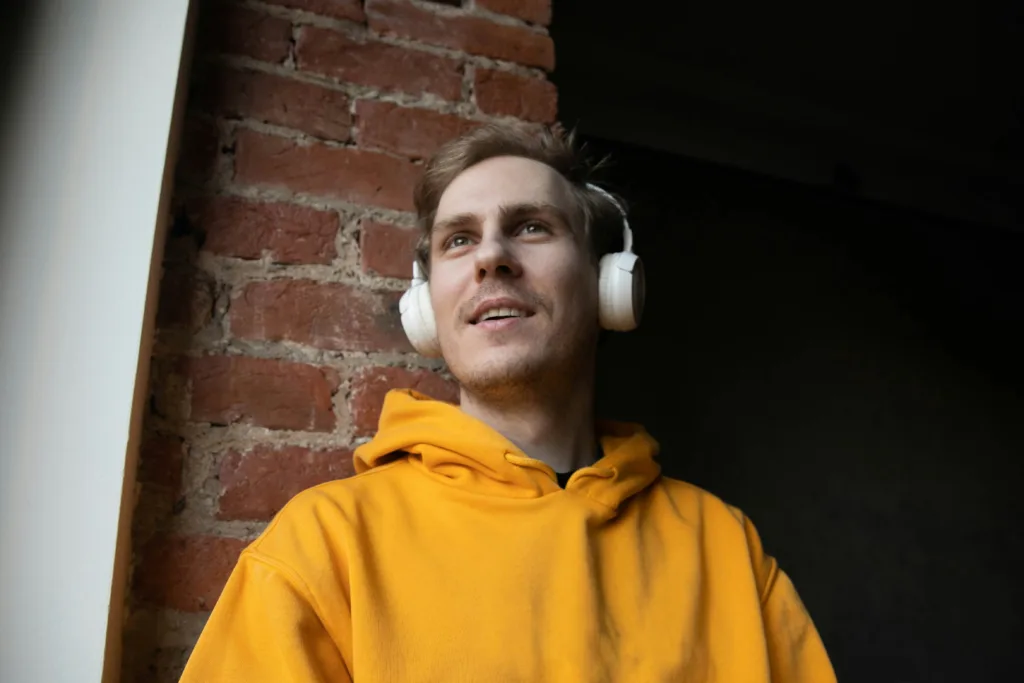
Perhaps there is something about the plan that feels uncomfortable, uncertain or exposing. You might worry about being judged, rejected or embarrassed.
Cancelling can bring an immediate sense of relief, which can sometimes make it easier to avoid similar situations again (Dymond, 2019). But this doesn’t mean every cancelled plan is avoidance.
Sometimes you genuinely need a quiet day. You may have taken on too much. Perhaps the situation simply isn’t right for you. And sometimes anxiety is making your world smaller.
It can be helpful to notice the difference between needing some space and finding yourself avoiding things you would actually like to do. You might become a little more curious about what you need and what makes certain situations feel easier or harder.
Understanding that can be the beginning of finding a way forward that feels more comfortable.
Our social lives change as our lives change
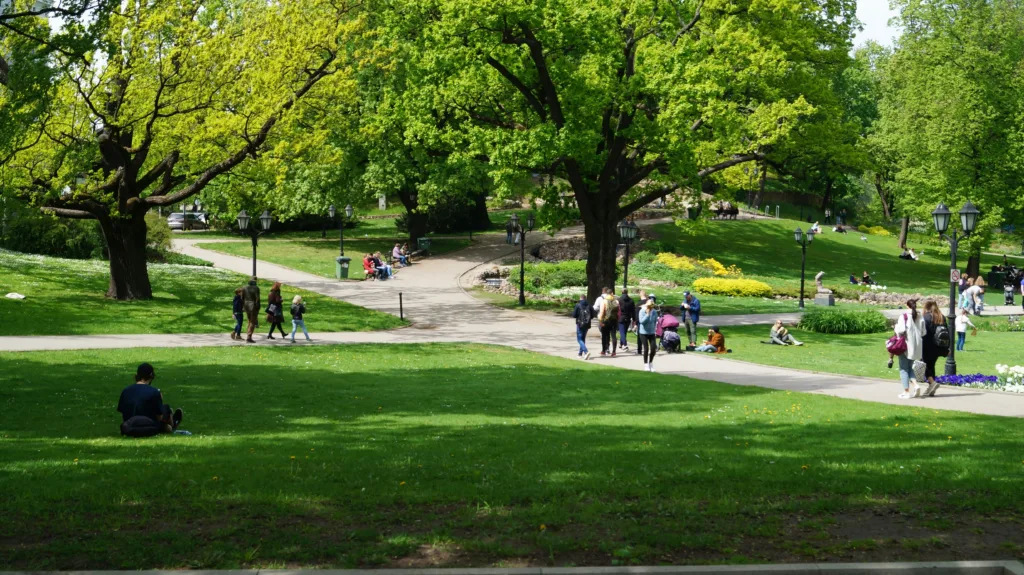
Our social world can change without us really noticing it. Perhaps you move somewhere new, start a demanding job, become a parent, navigate work uncertainty, a loss, or go through a difficult period in your life.
People you once saw regularly may become less present. A friendship might slowly fade. You may find yourself with less time, energy or opportunity to see people.
When we’re younger, friendships are often part of everyday life. We see the same people at school, university or work, and relationships can grow simply because we keep crossing paths. We don’t necessarily have to think about how to make time for friendship.
As we get older, that can change. Life becomes busier and our circumstances shift, and maintaining friendships can take more intention (Berk, 2018).
You might look around one day and realise that your social life isn’t what it used to be. Perhaps you didn’t choose for it to change. It just did.
There can be a real sense of loss in that. You may miss people you were once close to, or the ease with which you used to see friends. You might even miss a version of yourself who felt more connected.
At the same time, you may be discovering that what you want from your relationships has changed too. Perhaps you no longer want a busy social life. Perhaps you want a few people you feel genuinely close to. Perhaps you’re not even sure what you’re looking for yet.
That can be worth exploring.Talking about these changes can give you space to make sense of where you are now. You can think about what you’ve lost, what you still long for and what might feel meaningful at this stage of your life. Your social life can change and still feel right for you.
Confidence can grow too

Sometimes, finding a social life that feels right isn’t only about finding the right people. It can also be about feeling more comfortable being yourself around them.
If you’ve spent a long time worrying about what other people think, second-guessing yourself, or feeling like you have to get things right, socialising can take a lot of energy. It can be hard to relax when part of you is always wondering whether you’re saying the right thing, talking too much, or somehow getting it wrong.
Confidence doesn’t necessarily mean becoming more outgoing or never feeling awkward. It can be about trusting yourself a little more, feeling less pressure to perform, and knowing that you don’t have to be someone else to be accepted.
A space to explore

Sometimes, confidence grows when we have space to talk honestly about these things.
Counselling can offer that space. You can take your time to explore what happens for you around other people, whether you find yourself wanting connection but also needing a lot of space, worrying about how you come across, feeling exhausted by socialising, or wondering what kind of relationships you actually want.
You don’t have to arrive knowing exactly what’s going on for you, or what you want to change. Together, we can make sense of what you’ve been experiencing and look at what might help you feel more comfortable in your relationships and more connected to the life you want.
For some people, that might mean building confidence. For others, it might mean understanding themselves better, finding relationships that feel more natural, making sense of changes in their social life, or becoming less hard on themselves when they need time alone.
Counselling isn’t about making you more social or turning you into someone you’re not. It’s about having a space where you can explore what feels right for you, at your own pace.
If this is something you’ve been thinking about, I’d be happy to explore it with you. You’re very welcome to get in touch.
References
- Berk, L. E. (2018). Development Through the Lifespan (7th ed.). Pearson.
- Black, M. H., et al. (2024). Experiences of friendships for individuals on the autism spectrum: A scoping review. Review Journal of Autism and Developmental Disorders, 11, 184–209.
- Briggs, S. R. (1988). Shyness: Introversion or neuroticism? Journal of Research in Personality, 22(3), 290–307.
- Bueno, V. F., da Silva, M. A., Alves, T. M., Louzã, M. R., & Pompéia, S. (2017). Fractionating executive functions of adults with ADHD. Journal of Attention Disorders, 21(11), 944–955.
- Dymond, S. (2019). Overcoming avoidance in anxiety disorders: The contributions of Pavlovian and operant avoidance extinction methods. Neuroscience & Biobehavioral Reviews, 98, 61–70.
- Gillespie-Smith, K., Mair, A. P. A., Alabtullatif, A., et al. (2024). A spectrum of understanding: A qualitative exploration of autistic adults’ understandings and perceptions of friendship(s). Autism in Adulthood, 6(4), 438–450.
- Hull, L., Petrides, K. V., Allison, C., Smith, P., Baron-Cohen, S., Lai, M.-C., & Mandy, W. (2017). “Putting on my best normal”: Social camouflaging in adults with autism spectrum conditions. Journal of Autism and Developmental Disorders, 47(8), 2519–2534.
- NHS. (2023). Social anxiety (social phobia)
- Nigg, J. T., Stavro, G., Ettenhofer, M., Hambrick, D. Z., Miller, T., & Henderson, J. M. (2005). Executive functions and ADHD in adults: Evidence for selective effects on ADHD symptom domains. Journal of Abnormal Psychology, 114(4), 706–717.
- Ryan, R. M., & Deci, E. L. (2000). Self-determination theory and the facilitation of intrinsic motivation, social development, and well-being. American Psychologist, 55(1), 68–78.
- Sun, J., Harris, K., & Vazire, S. (2020). Is well-being associated with the quantity and quality of social interactions? Social Psychological and Personality Science, 11(5), 625–633.
- Watts, G., Crompton, C., Grainger, C., Long, J., & Botha, M. (2024). “A certain magic” – autistic adults’ experiences of interacting with other autistic people and its relation to quality of life: A systematic review and thematic meta-synthesis. Autism, 29(9), 2239–2253.

Katrin Kemmerzehl
I’m a qualified counsellor based in Newcastle upon Tyne.
Please get in touch if you’d like to arrange a consultation.