A space to talk, reflect, and reconnect with yourself
10 October – written by Katrin Kemmerzehl – Blog

Sometimes, life looks fine from the outside, but something doesn’t feel quite right on the inside.
You might be getting on with work, looking after other people and keeping up with everyday responsibilities, yet feel tired, overwhelmed or a little disconnected from yourself. Perhaps you’ve spent so long being the reliable one, trying to keep everyone happy or doing what’s expected of you that you’re no longer sure what you need yourself.
Or maybe you can’t put your finger on what’s wrong. You just know that something feels different, or that you’d like to understand yourself a little better.
People come to counselling for all sorts of reasons. You might be dealing with anxiety, grief, relationship difficulties or a period of change. Perhaps you’re questioning who you are, feeling stuck, or wondering what you want from life now.
Whatever brings you here, you deserve time to explore what’s going on for you, at your own pace, with someone who is genuinely interested in understanding your experience.
Beginning Where You Are

One of the central ideas in Person-Centred Therapy is that we need to feel free to be ourselves, including the parts we find difficult to understand or accept.
Psychologist Carl Rogers believed that people are more able to grow when they experience empathy, acceptance and genuineness within a relationship (Rogers, 1957).
That might sound simple, but think about how often you get to speak honestly about how you feel without worrying about disappointing someone, being rejected, feeling misunderstood or needing to explain yourself perfectly.
Perhaps you’re the person everyone relies on. You notice when someone needs help, try to keep things running smoothly and often put your own feelings aside until there’s time to deal with them. You might be wonderfully understanding towards other people while finding it much harder to show yourself the same kindness.
Over time, it can become difficult to hear your own needs beneath everything you’re trying to manage.
Person-Centred Therapy offers space to slow down and pay attention to your own experience. You can talk about what’s been happening, explore feelings you may have pushed aside and begin to recognise what matters to you.
You don’t have to arrive with a clear plan or know what you need to change. Sometimes, just having the chance to talk things through with someone who is listening carefully can help you begin to see things differently.
Feeling understood can make it easier to develop trust in yourself and find your own way forward. Rogers (1961) believed that when people experience acceptance and understanding, they become more able to recognise their inner resources and move towards changes that feel genuine to them.
This can also connect with Acceptance and Commitment Therapy, which explores how we can make space for difficult feelings while finding ways to live in line with what matters to us.
Person-Centred Therapy offers an opportunity to reconnect with yourself in the presence of a supportive therapeutic relationship.
Being human also means living with questions about who we are, how we relate to others and what makes life feel meaningful. We all need connection, and it can be difficult to feel at ease when we’re constantly trying to meet expectations or work out how we’re supposed to be.
Having space to talk openly and feel understood can help us make sense of these questions and find a way of living that feels more like our own (Yalom, 1980; van Deurzen, 2012).
Finding Space for Yourself

Finding Space for Yourself
You don’t need to arrive knowing exactly what you want to talk about.
Perhaps something has been weighing on you for a while, or life has started to feel harder than you can quite explain. You might recognise some of these experiences:
I just don’t feel like myself lately.
Why does everything take so much effort?
I keep going over things in my head, but never seem to get anywhere.
Everyone seems to come to me when they need something. Who can I turn to when I need support?
Why do I worry so much about what other people think?
I keep going over conversations afterwards, wondering if I said something wrong.
Something needs to change, but where do I even start?
Perhaps you spend so much time thinking about other people’s needs that it’s difficult to know what you want yourself. Or you find that being around people takes more out of you than anyone realises, especially when you’re constantly adjusting how you act to fit in.
You might have become used to putting other people’s needs first, worrying about getting things wrong or trying to work out why certain situations feel so difficult. Maybe you’ve read about your experiences and understand some of the reasons behind them, but still find yourself wondering how to make life feel easier.
Or perhaps you simply feel a little lost. The life you have might look much as it always has, yet something doesn’t feel right.
You don’t need to have the answers before coming to counselling. We can begin with whatever is on your mind, taking time to explore what you’ve been experiencing and what it means to you. Sometimes, talking things through helps connections emerge that you hadn’t noticed before.
You may begin to understand yourself differently, recognise what matters to you and approach your experiences with greater self-compassion. Over time, this can also help you build confidence in yourself and feel more comfortable with who you are.
The Relationship Itself Matters

One of the most important parts of therapy is the relationship you build with your counsellor. Research has consistently highlighted the importance of the therapeutic relationship in supporting positive outcomes (Norcross & Lambert, 2019).
For many people, it can be a relief to have time with someone who listens carefully, takes their experiences seriously and wants to understand things from their point of view.
You don’t have to find the perfect words, tell your story in the right order or know what you’re supposed to say in a session. If you need time to think, that’s fine. If something is difficult to explain, we can take our time with it. And if you’re not sure what you feel, we can begin there.
Person-Centred Therapy is grounded in empathy, acceptance and genuineness (Rogers, 1957). For me, this means approaching you with warmth and curiosity, respecting your experience and making room for you to be yourself.
It also means recognising that you’re the person who knows your life from the inside. I may offer a question or a different perspective where helpful, but your thoughts and feelings matter. You’re welcome to tell me if something doesn’t fit, if I’ve misunderstood or if you’d like to explore something in a different way.
Perhaps you’ve become used to keeping difficult feelings to yourself, adapting to what other people need or trying to fit in. You might find yourself saying “I’m fine” automatically, even when you’re struggling, or agreeing to something before you’ve had a chance to think about whether you really want to.
Having space to speak more openly can help you notice what you feel and need, and what you might want to do differently. For some people, this includes exploring experiences of masking or feeling different. For others, it may be about relationships, confidence, grief, change or a sense of not quite knowing themselves anymore.
There’s no single experience you need to bring to counselling. What matters is having room to explore yours.
As Lori Gottlieb explores in Maybe You Should Talk to Someone (2019), therapists are human beings, too, with their own experiences of uncertainty, struggle and change. There’s something reassuring about remembering that none of us has life completely figured out.
Psychiatrist Irvin Yalom (2002) also emphasised the importance of genuine human connection in therapy. Being met with understanding can help you feel less alone and give you space to explore experiences that may have been difficult to share elsewhere.
Reconnecting with Yourself

As you become more familiar with your own feelings and needs, you may begin to notice things that previously went unnoticed.
Perhaps you recognise when you’re reaching your limit, feel more comfortable saying what you think, or find it easier to work out what you want rather than automatically going along with what other people expect.
You might begin to trust your own decisions a little more, recognise strengths you’ve overlooked or find a kinder way of relating to yourself when things don’t go as planned.
Sometimes, this starts with small things. You might notice that you’re agreeing to something you don’t really want to do, or realise that you’ve been so busy trying to get everything right that you haven’t stopped to ask yourself how you’re feeling.
These moments can give you a little more room to choose how you respond.
There may also be bigger questions you want to explore about relationships, meaning and the kind of life you want to create.
You might find yourself wondering:
What do I really want?
What do I need from my relationships?
What matters most to me now?
Am I still carrying expectations that no longer fit?
What would it feel like to be more comfortable being myself?
Existential thinkers such as Irvin Yalom (1980) and Emmy van Deurzen (2012) have explored how our emotional lives connect with questions of meaning, choice, relationships and the uncertainties of being human. Making room for these questions can help you understand what matters to you and how you want to live.
Change is often gradual. Sometimes it begins with a small realisation, a little more understanding of yourself or the feeling that you can respond to a situation differently than you might have done before.
Over time, you may find yourself making choices with greater confidence, relating to yourself with more compassion and feeling more connected to the life you want to live.
You are welcome as you are

You can bring whatever is on your mind: confusion, uncertainty, mixed feelings, grief, relationship difficulties, questions about identity or something you haven’t quite found the words for yet.
You don’t need to know exactly where to begin, and you don’t need to have everything worked out before we meet. We can start with whatever feels important to you and take things at a pace that feels comfortable.
In our work together, there is space to think things through, explore what matters to you and find a better understanding of yourself. In counselling, you can bring your questions, your doubts and the parts of life that are difficult to talk about elsewhere.
Sometimes, having the space to talk openly and feel understood can be a meaningful beginning in itself. From there, you may discover new ways of relating to yourself and others, and a clearer sense of what you need to feel more at ease in your life.
If you’d like to explore working together, you’re very welcome to get in touch.
References
- Gottlieb, L. (2019). Maybe you should talk to someone: A therapist, her therapist, and our lives revealed. Houghton Mifflin Harcourt.
- Macri, J. A., & Rogge, R. D. (2024). Examining domains of psychological flexibility and inflexibility as treatment mechanisms in acceptance and commitment therapy: A comprehensive systematic and meta-analytic review. Clinical Psychology Review, 110, 102432.
- Norcross, J. C., & Lambert, M. J. (2019). Psychotherapy relationships that work: Evidence-based responsiveness (3rd ed.). Oxford University Press.
- Rogers, C. R. (1957). The necessary and sufficient conditions of therapeutic personality change. Journal of Consulting Psychology, 21(2), 95–103.
- Rogers, C. R. (1961). On becoming a person: A therapist’s view of psychotherapy. Houghton Mifflin.
- van Deurzen, E. (2012). Existential counselling & psychotherapy in practice (3rd ed.). Sage.
- Yalom, I. D. (1980). Existential psychotherapy. Basic Books.
- Yalom, I. D. (2002). The gift of therapy: An open letter to a new generation of therapists and their patients. Harper Perennial.
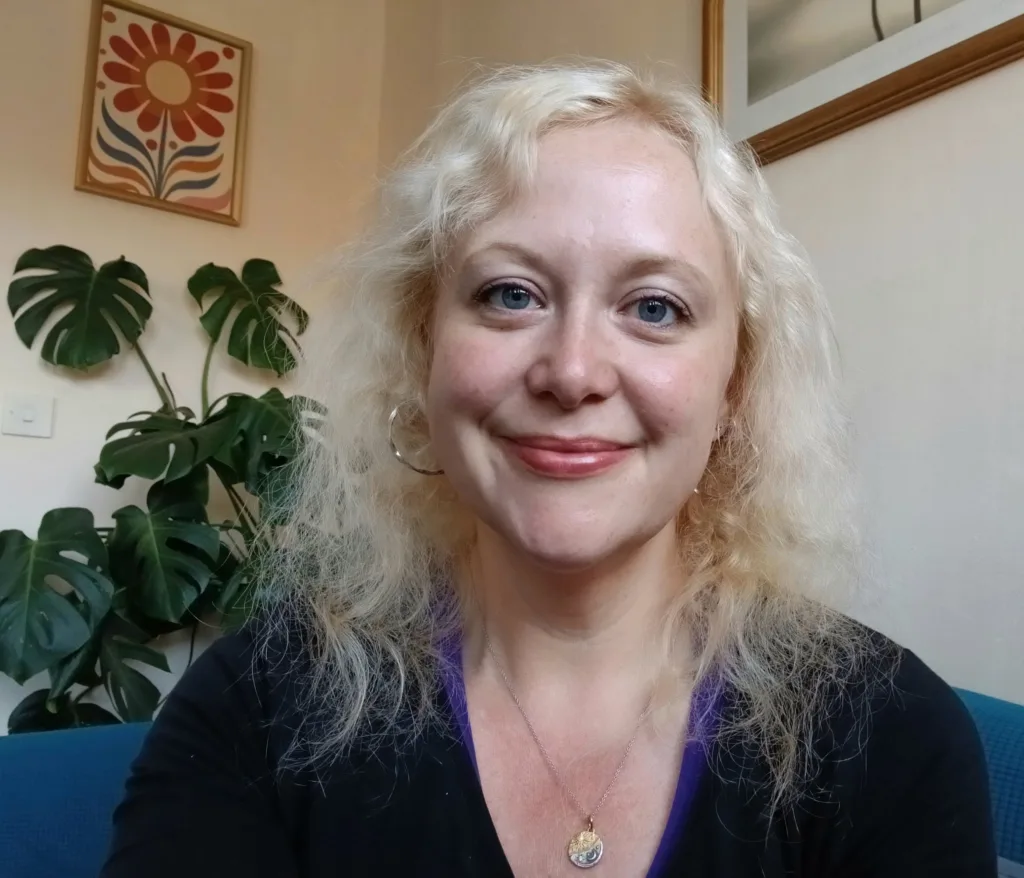
Katrin Kemmerzehl
I’m a qualified counsellor based in Newcastle upon Tyne.
Please get in touch if you’d like to arrange a consultation.