Reflecting on relationships, change and what matters
25 Sept – written by Katrin Kemmerzehl – Blog

Sometimes, it’s only when life becomes a little quieter that we start to notice how we’re actually feeling.
We might begin thinking about our relationships, the changes we’ve been through, how tired we’ve been feeling, or whether the life we’re living still feels like ours. We may have been busy getting on with things for so long that we haven’t really had much space to stop and think about what we need.
Autumn can sometimes bring a little more space for this. The days are changing, summer is coming to an end, and you may find yourself thinking about where you are in your life and what matters to you now.
You might find yourself wondering:
Am I happy with my life?
Do my relationships still feel right for me?
Why do I feel so tired when everything seems okay?
Is there something I want to change?
What do I actually want from my life now?
You might not have a clear answer. You may simply have a feeling that something has shifted.
Autumn can feel different for everyone
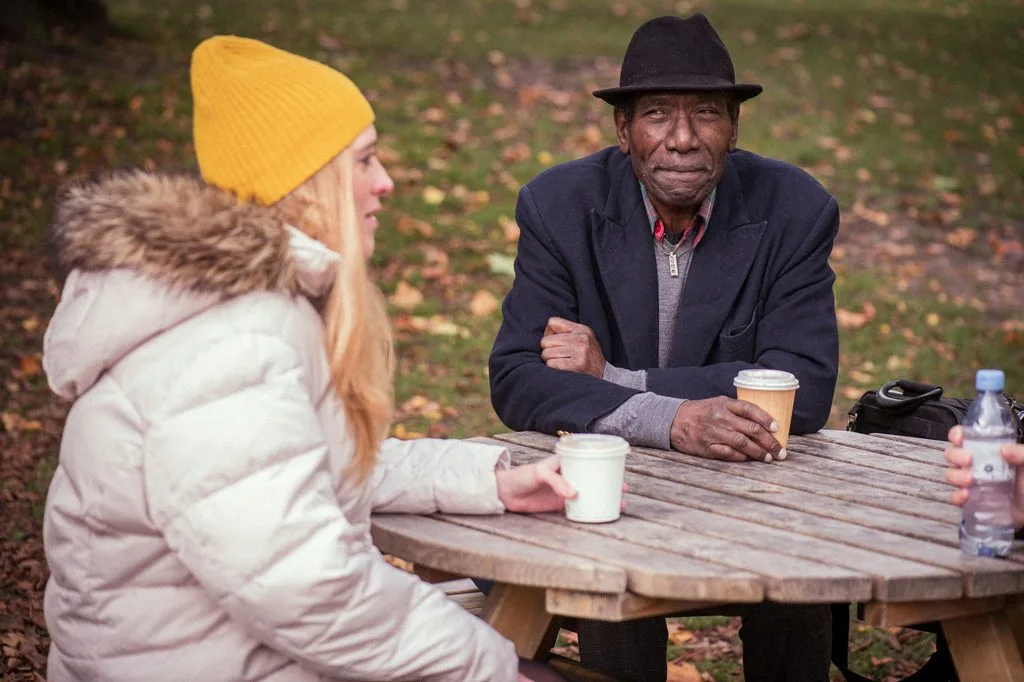
here isn’t one way you’re supposed to feel about autumn.
You might love the cooler weather, darker evenings and the chance to wear your favourite layers again. You might find summer too bright, hot or busy, and feel more comfortable when things quieten down.
Or you might find the change difficult.
The darker mornings and evenings can affect your energy. Changes in routine can leave you feeling unsettled. You might notice that getting out, seeing people or keeping up with everyday things takes more effort than it did a few months ago.
For some people, autumn and winter can bring changes in mood and energy, and for some this can be part of seasonal affective disorder (SAD) (NHS, 2025). But you don’t have to experience SAD for the changing season to affect how you feel.
For some neurodivergent people, the change itself can be particularly noticeable. You may have been enjoying the lighter evenings and more spontaneous opportunities during summer, only to find that autumn brings a sudden shift in your routines, energy and social life.
You might find the cooler weather a relief but struggle with the darker days. Perhaps you love being at home more but miss having easy opportunities to see people. You might enjoy having fewer social demands while also noticing that you feel at times a bit more isolated.
Everyone experiences this time of year differently. You might enjoy some parts of autumn and find other parts more difficult, and it can be helpful to notice how it affects you.
When life looks fine, but something feels different

Life doesn’t have to be falling apart for you to want to understand how you’re feeling.
Perhaps work is okay, your relationships are generally good and, from the outside, your life looks fine. And yet, something doesn’t quite feel right.
You might feel restless, disconnected, overwhelmed or unsure about what comes next. Maybe you’ve started to wonder whether the life you’re living is really the life you want, or whether you’ve simply got used to carrying on with things as they are.
Sometimes there is a clear reason. A relationship has ended or changed. Work no longer feels right. You’re going through a major life transition. You’ve received an autism, ADHD or AuDHD diagnosis and are beginning to understand yourself differently.
Perhaps you’ve moved somewhere new, your family life has changed, or you’re questioning choices you made some years ago.
And sometimes, you can’t put your finger on what’s wrong. You just know that something doesn’t feel right.
I don’t really feel like myself at the moment.
I don’t know what I need. I just feel stuck.
It can be difficult to explain these feelings, especially when, on paper, your life seems okay. You might even feel that you should be happier or more grateful for what you have.
Sometimes the question isn’t whether there is anything wrong with your life. It’s whether it still feels like your life.
What happens when your relationships change?

Our relationships can change how life feels, and sometimes they can make us think differently about ourselves too. Perhaps you’re missing someone, a friendship has changed, or you’re spending more time with a partner and becoming aware of things you haven’t really talked about.
Maybe you’re dating or hoping to meet new people, but finding it difficult to build relationships where you feel comfortable being yourself.
You can enjoy your own company and still want connection, just as you can have people around you and still feel lonely. You can love someone and feel close to them while also finding parts of the relationship difficult or tiring.
Sometimes it isn’t about wanting more people in your life. You might simply be wondering what kind of relationships feel right for you, and whether you have enough space to be yourself within them.
This can be particularly relevant if you’re neurodivergent. You may have spent years adapting yourself to fit into social situations, masking parts of yourself or trying to work out what other people expect from you. Perhaps you’ve become very good at being the person other people need, while finding it harder to work out what you need yourself.
You might care deeply about the people in your life while finding some of the unspoken rules around communication and relationships exhausting. Studies looking specifically at autistic women has found that their experiences of friendships and romantic relationships can be both similar to and different from those of non-autistic women, including difficulties around social expectations and negative social experiences (Sedgewick et al., 2019).
Research into loneliness among autistic adults also suggests that feeling accepted and understood, as well as having meaningful relationships, can be important (Grace et al., 2022). There isn’t a right amount of social contact, or one particular kind of relationship you should want. You might feel happiest with a few close people, enjoy having lots of people around you, or need quite a lot of time on your own.
What matters is whether your relationships give you enough space to feel comfortable and be yourself.
When autumn makes us want to buy things

There’s another kind of change that can show up in autumn too. The shops fill with new clothes, homeware, candles, notebooks and all the things that make the new season feel appealing. There can be something lovely about that, but it can also be easy to start thinking that perhaps a few new things will make us feel different too.
For some people with ADHD and AuDHD, the appeal of something new can be particularly tempting. Research suggests that adults with ADHD may be more likely to make impulsive purchases, although there are lots of different reasons why we might be drawn to buying something new (Einarsson et al., 2024).
Sometimes buying something new does bring a little pleasure or comfort, and there’s nothing wrong with enjoying that. But sometimes, what we’re drawn to isn’t really what we’re looking for.
Perhaps what you’re craving is more energy, a change of routine, something to look forward to, more connection, or simply the feeling that life is moving somewhere again. It can be interesting to notice what you’re hoping that new purchase will bring.
Is it the thing itself, or the feeling you imagine might come with it?
Sometimes, that feeling of wanting something new can point towards something else we’re ready to look at in our lives. And that can lead us to bigger questions about what has changed, what matters to us now, and what we might want to be different.
When Life Changes, What Matters Can Change Too

Sometimes a change in your life can make you look at everything else a little differently.
You might start thinking about how you’re spending your time, what feels important to you, or whether the way you’re living still fits the person you are now. Perhaps you’ve reached a point where some of the things you once worked towards no longer seem as important, while other things have started to matter more.
These questions can come up at all sorts of points in life. A new stage of life, a change in work, a relationship ending or beginning, becoming a parent or changes in family life, moving somewhere new, getting older, or simply realising that you’ve been living on autopilot for a while can all make us stop and think about where we’re going.
Moments of change can bring bigger questions about how we want to live, what matters to us and what gives our lives meaning (Yalom, 1980).
You might find yourself wondering, What actually matters to me now? Or What do I want my life to be about? Perhaps you’re asking yourself whether you’re spending your time in ways that feel meaningful, what you want to hold on to, or what you might be ready to let go of.
For some neurodivergent people, these questions can become particularly noticeable after a later diagnosis or a period of burnout. When you start to understand yourself differently, it can change the way you look at choices you’ve made, the expectations you’ve lived with and even the future you once imagined for yourself.
Research with autistic adults suggests that receiving a diagnosis in adulthood can bring greater clarity about past experiences and lead people to reconsider aspects of their identity and sense of self (Au-Yeung et al., 2024)
There may not be one big answer. Sometimes it’s more about gradually getting a clearer sense of what feels meaningful, what feels like you, and what you want more of in your everyday life.
Autumn can be a natural time to pause and notice some of these questions. Not because you need to have everything worked out, but because sometimes it helps to stop for a moment and ask yourself where you are, what matters to you now, and whether the life you’re living still feels like your own (Yalom, 1980).
Having some space to talk these questions through can sometimes help you hear your own thoughts more clearly and get a better sense of what feels important to you now.
Getting to Know Yourself Again

Sometimes we find ourselves thinking, I should be happier. I should be more confident. I should have achieved more by now. I should be further ahead. I should want the things that seem to matter to everyone else. After a while, it can become difficult to hear your own voice underneath all those expectations.
Perhaps you’ve spent years doing what is expected of you, keeping things going and adapting to the people around you. If you’re neurodivergent, you may have spent a long time masking or trying to fit in. After a while, it can be hard to know what you genuinely want, rather than what you’ve learned to do to get by.
Getting to know yourself again can take time. It might mean noticing what gives you energy and what leaves you drained, which relationships allow you to feel most like yourself, how much time you need to yourself, or what you want your everyday life to feel like. It can also mean becoming more aware of patterns you’ve developed over time and expectations you may have taken on without really questioning them.
For some people, a later autism or ADHD diagnosis can change the way they see themselves and their lives. Things that once felt confusing may start to make more sense, and you may find yourself looking back at parts of your life with a different perspective. Research suggests that a later autism diagnosis can bring greater clarity about past experiences and a changing sense of identity (Kiehl et al., 2024).
A person-centred approach gives you space to understand your own experience rather than simply trying to fit yourself into other people’s expectations (Rogers, 1951). It can be a chance to become more curious about what matters to you, what feels meaningful and what you might want your life to look and feel like now.
Acceptance and Commitment approaches can help you think about what matters to you and where you’d like to put your energy, even when you’re not sure exactly what comes next. We can also think about the experiences and relationships that have shaped you and how you see yourself today.
Sometimes It Helps to Have Somewhere to Talk

It can be difficult to recognise how much you’re carrying when you’ve become used to coping.
You might be getting through work, keeping up with everyday life and being there for other people, only to realise how tired you are when you finally have some time to yourself. Perhaps you’re feeling stuck, putting something off because you don’t know where to start, or simply unsure what you want.
Counselling can give you a space to slow things down and work out what’s really going on when several things are happening at once. Talking things through can help you make sense of it all, hear your own thoughts a little more clearly and notice what might be important to you.
Sometimes the things that matter to us are still possible, even when life is difficult or doesn’t look quite how we imagined. Counselling can help you work out what matters to you now and find small, realistic ways to move towards it, rather than waiting until everything feels easier or you feel completely ready.
If some of this feels familiar, you’re very welcome to get in touch.
References
- Einarsson, S. B., Sigurðsson, B. H., Kjartansdóttir, S. H., Magnússon, P. & Sigurðsson, J. F. (2024). Impulsive buying and deferment of gratification among adults with ADHD. Clinical Psychology in Europe, 6(3), e9339.
- Grace, K., Remington, A., Lloyd-Evans, B., Davies, J. & Crane, L. (2022). Loneliness in autistic adults: A systematic review. Autism, 26(8), 2117–2135.
- Kiehl, I., Pease, R. & Hackmann, C. (2024). The adult experience of being diagnosed with autism spectrum disorder: A qualitative meta-synthesis. Autism, 28(5), 1060–1074.
- NHS (2025). Seasonal affective disorder (SAD). NHS.
- Rogers, C. R. (1951). Client-Centered Therapy: Its Current Practice, Implications, and Theory. Boston: Houghton Mifflin.
- Sedgewick, F., Crane, L., Hill, V. & Pellicano, E. (2019). Friends and lovers: The relationships of autistic and neurotypical women. Autism in Adulthood, 1(2), 112–123.
- Yalom, I. D. (1980). Existential Psychotherapy. New York: Basic Books.
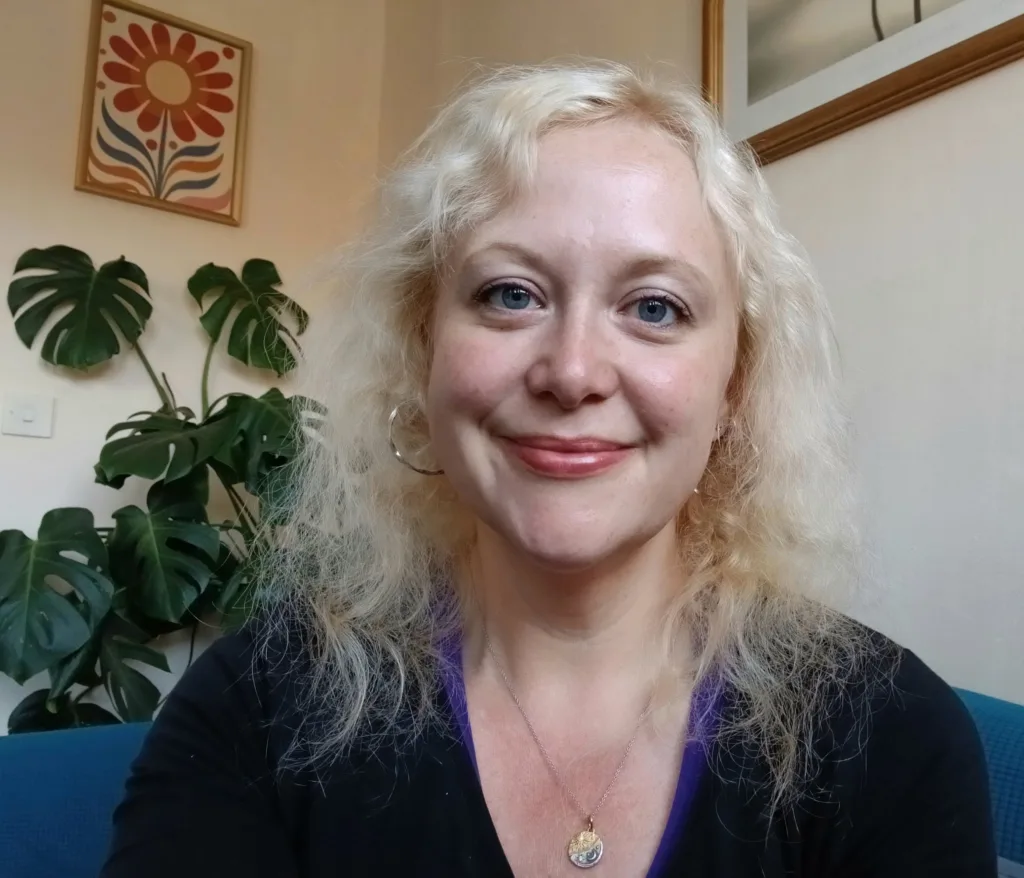
Katrin Kemmerzehl
I’m a qualified counsellor based in Newcastle upon Tyne.
Please get in touch if you’d like to arrange a consultation.